
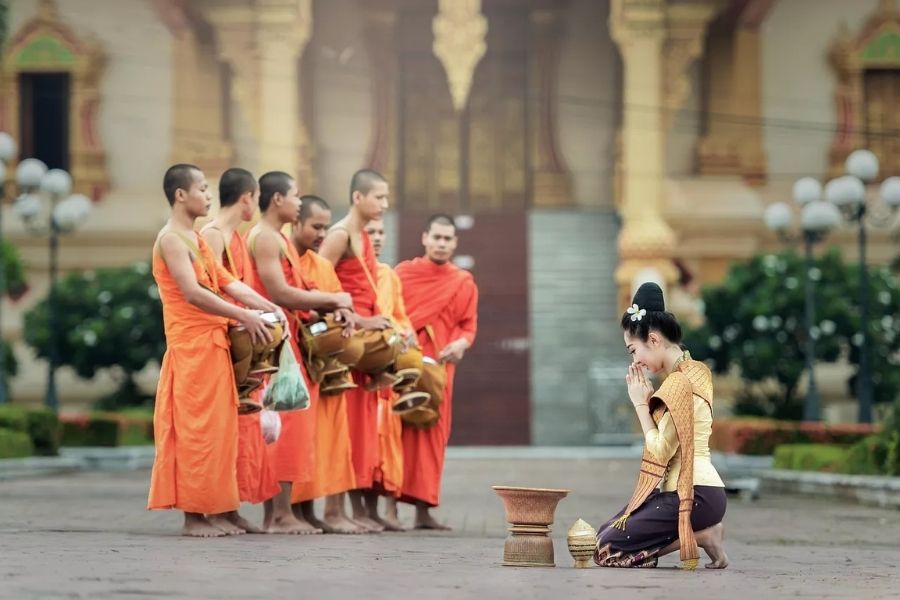
Travel today is no longer just about visiting famous places, it is about understanding people, traditions, and ways of life. Indochina and Japan stand out as two of Asia’s most fascinating regions for travelers seeking meaningful cultural experiences. Exploring cultural experiences in Indochina and on Japan cruise excursions allows travelers to go beyond sightseeing and discover the soul of Asia through heritage, cuisine, craftsmanship, and local communities.
Why Indochina and Japan Are Perfect for Cultural Exploration?
Indochina and Japan may differ in geography and development, yet they share a deep respect for tradition, spirituality, and community. Indochina reflects the legacy of ancient civilizations shaped by Buddhism, river culture, and village life. Japan, on the other hand, presents a refined blend of discipline, harmony, and artistic detail preserved over centuries.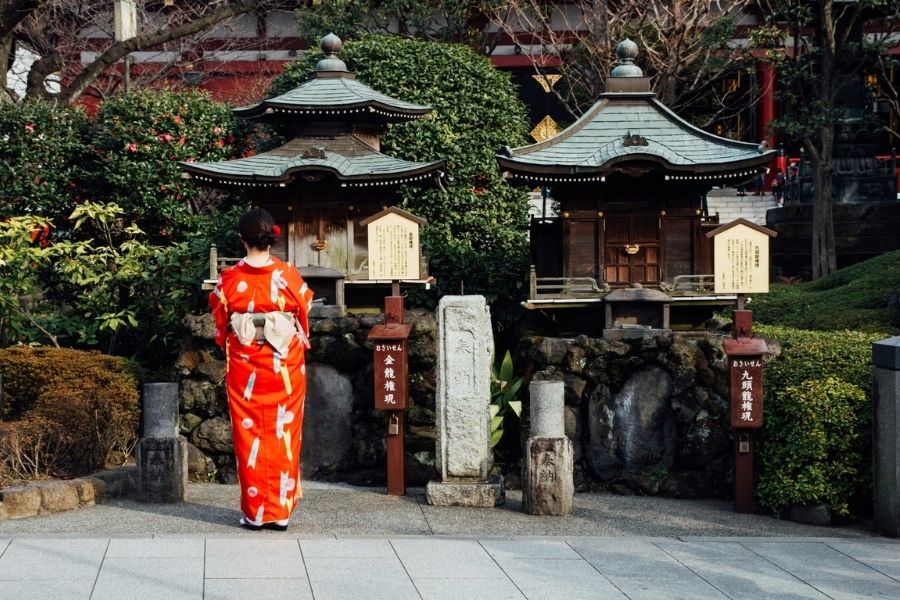
Together, they offer travelers:
- Rich historical narratives
- Living traditions still practiced today
- Cultural diversity within a single journey
- Balance between slow, authentic travel and modern comfort
This contrast creates an inspiring route for travelers who want both discovery and connection.
Cultural Experiences in Indochina You Shouldn’t Miss
Rather than ticking off destinations, cultural experiences in Indochina are about stepping into rhythms of everyday life shaped by centuries of tradition. From ancient streets to spiritual rituals and riverside communities, the region invites travelers to participate, not just observe.
Vietnam - Living Traditions and Local Life
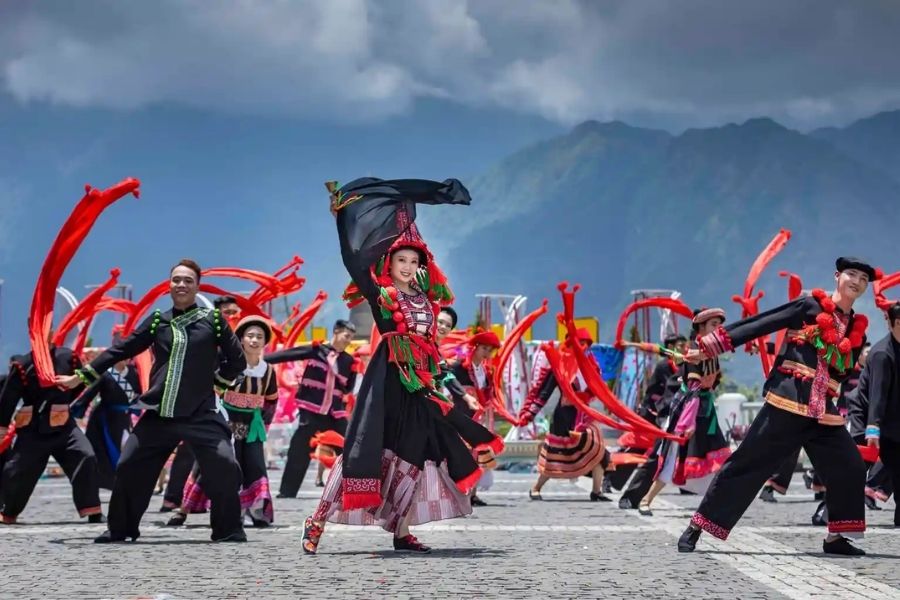 Vietnam’s culture is deeply rooted in daily life. In Hanoi’s Old Quarter, narrow streets reveal centuries of trade, craftsmanship, and street food heritage. In Hue, the former imperial capital, travelers explore royal architecture and Confucian influences.
Hoi An adds a poetic layer with its lantern-lit evenings, preserved merchant houses, and riverside markets. Food culture also plays a central role, with travelers learning local recipes through cooking classes and market visits.
Cambodia - Legacy of the Khmer Empire
Cambodia’s cultural heart lies in Angkor, where majestic temples such as Angkor Wat and Bayon reflect the spiritual power of the Khmer Empire. Beyond architecture, visitors experience traditional Apsara dance, Buddhist ceremonies, and village life around Tonle Sap Lake. These encounters reveal how ancient heritage still influences Cambodian identity today.
Laos - Spiritual Rhythm and Slow Travel
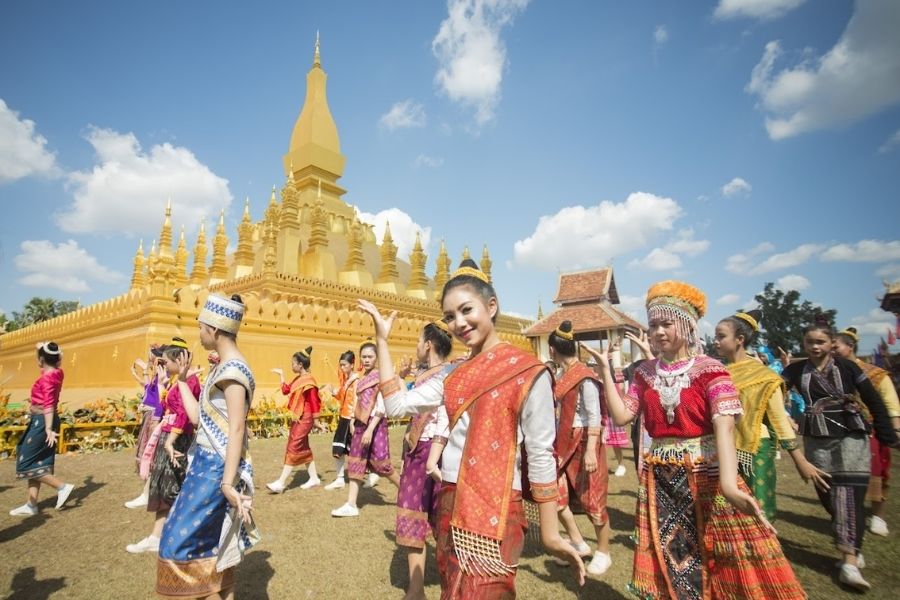 Laos offers one of the most peaceful cultural experiences in Asia. In Luang Prabang, travelers witness the early-morning alms-giving ritual, explore golden temples, and engage with monks in quiet monasteries.
Additionally, the Mekong River shapes daily life, while handicraft villages preserve weaving, pottery, and silverwork traditions. Laos invites travelers to slow down and connect deeply with local culture.
Cultural Experiences in Japan
Much like cultural experiences in Indochina, Japan also offers cultural depth that goes far beyond its famous landmarks.
Timeless Cities and Living Traditions
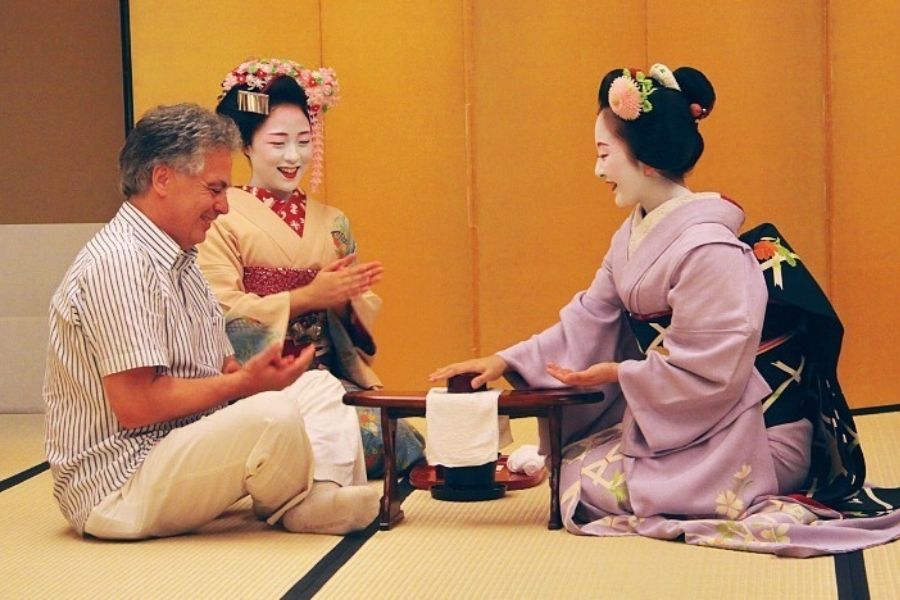 Japan’s cultural soul is most vividly felt in its historic cities, where tradition is not frozen in museums but lived every day. In places like Kyoto and Nara, travelers move through temple complexes, peaceful gardens, and preserved districts that once belonged to samurai and geisha, discovering how the past continues to shape modern life.
As visitors slow their pace, cultural encounters become personal. Joining a tea ceremony reveals the Japanese values of harmony and respect, while calligraphy lessons and kimono experiences invite travelers to participate rather than simply observe. Through these moments, Japan’s philosophy of mindfulness is felt, not just explained.
Seasonal Culture and Local Customs
Culture in Japan flows naturally with the rhythm of the seasons, giving each journey a different emotional tone. In spring, locals gather beneath blooming cherry trees for hanami, celebrating renewal and togetherness. By autumn, fiery maple leaves frame temples and parks, turning nature itself into a cultural stage.
Festivals, known as matsuri, bring neighborhoods to life with music, processions, and shared traditions, connecting travelers with community spirit. After a day of exploration, soaking in an onsen and tasting regional cuisine allows visitors to relax the Japanese way, experiencing how wellness, food, and culture blend seamlessly into daily life.
Port Cities and Cultural Shore Experiences
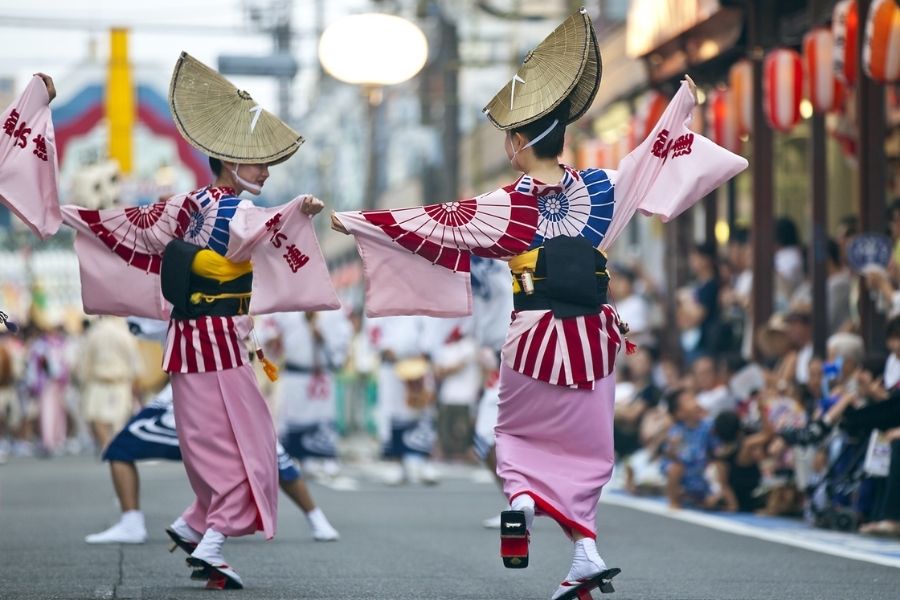 For many travelers, Japan is discovered through its port cities, where cruise itineraries open doors to heritage in a limited time. Ports such as Yokohama, Kobe, Kanazawa, and Nagasaki act as gateways to historic neighborhoods, UNESCO landmarks, and cultural districts that reflect Japan’s layered identity.
To make these short visits meaningful, travelers benefit from well-curated shore programs. JapanShoreExcursions connects cruise ports with authentic cultural experiences, helping visitors move beyond surface sightseeing and into the stories, traditions, and local life that define Japan’s deeper cultural essence.
Immersive Cultural Activities in Indochina & Japan for Travelers
True cultural travel begins when travelers stop observing from the outside and start participating in local life. Across Indochina and Japan, immersive activities allow visitors to touch, taste, and feel traditions that have been passed down for generations. These cultural experiences in Indochina and Japan turn a trip into a story, creating emotional connections between travelers and the communities they visit.
Cooking Classes
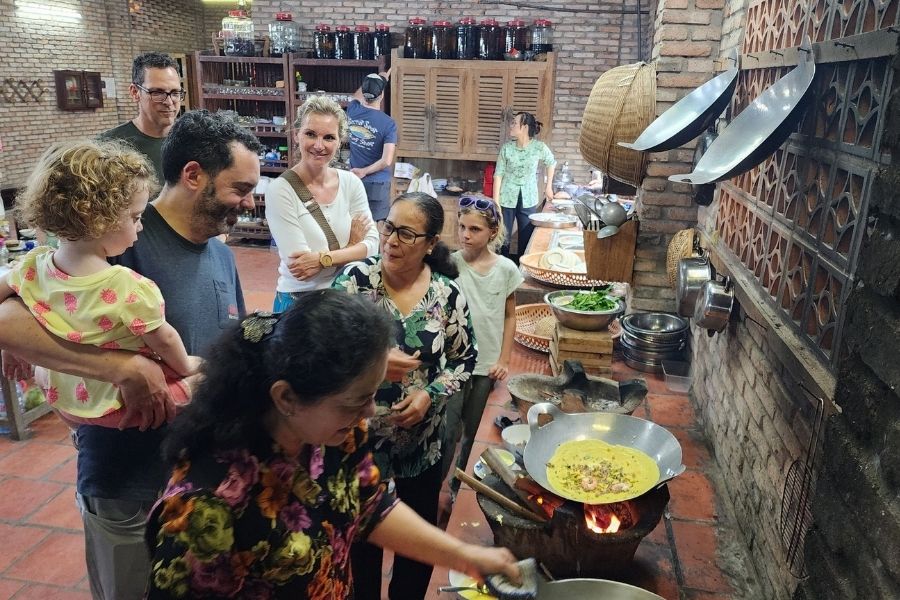 Food is one of the most personal expressions of culture, and learning to cook local dishes offers insight far beyond restaurant dining. In hands-on kitchens, visitors prepare traditional meals alongside local chefs, understanding the balance of flavors, textures, and presentation. More than a lesson, cooking becomes a cultural exchange, where stories, laughter, and shared meals transform recipes into meaningful memories.
Traditional Performances
Cultural identity is often preserved through music, dance, and theater. Watching traditional performances such as classical dance, folk music, puppetry, or ceremonial shows introduces travelers to historical legends and social values.
As costumes, movements, and instruments unfold on stage, travelers witness how art carries memory across generations. These cultural experiences in Indochina are not only entertaining but educational, offering emotional insight into how communities celebrate, mourn, and express identity.
Noted traditional performances in Indochina & Japan:
- Water Puppet Show - Vietnam
- Hue Royal Court Music - Vietnam
- Apsara Dance Performance - Cambodia
- Royal Ballet of Cambodia - Cambodia
- Lam Vong Traditional Dance - Laos
- Baci Blessing Ceremony Performance - Laos
- Kyogen Comedy Performance - Japan
- Noh Theatre - Japan
Craft Workshops
Traditional crafts reflect the identity and history of a place. Participating in workshops such as silk weaving, pottery, lacquer painting, paper making, or wood carving introduces travelers to skills refined over centuries.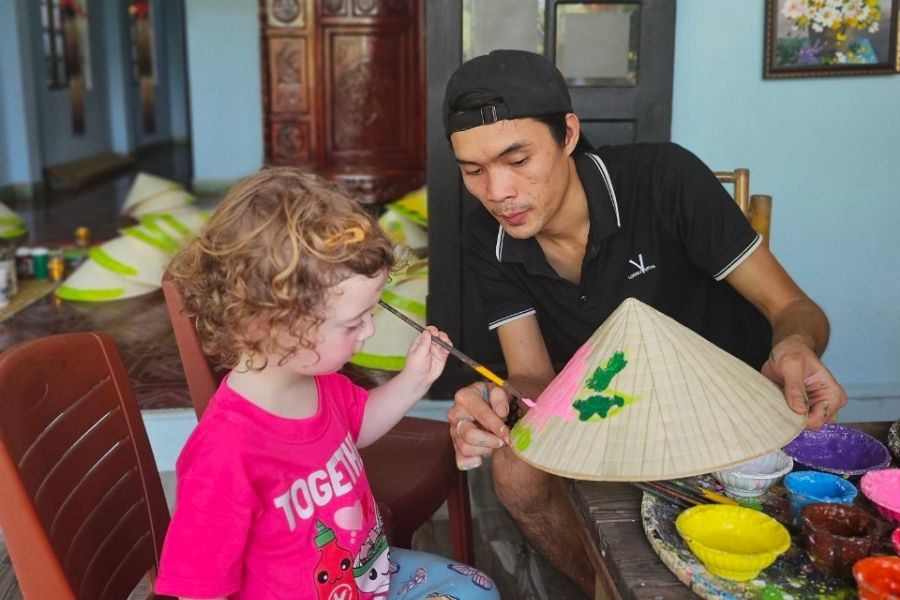
Rather than simply buying souvenirs, visitors create their own pieces under the guidance of master artisans. Through this process, you learn patience, symbolism, and the cultural meaning behind patterns and materials. Each handmade item becomes a personal reminder of cultural connection rather than just an object.
Typical experiences include:
- Weaving silk, bamboo, or natural fibers using traditional looms
- Shaping clay pottery with handmade tools and local techniques
- Painting lacquerware or creating decorative artworks with symbolic patterns
- Learning paper-making or wood carving from master craftsmen
Temple Stays to Experience Spiritual Life
For travelers seeking deeper cultural understanding, temple stays provide rare access to spiritual traditions. Guests wake early to the sound of bells and chanting, join meditation sessions, and observe daily monastic routines.
These experiences are not about religion alone, but about mindfulness, discipline, and simplicity. By slowing down and sharing sacred space with monks or caretakers, you gain perspective on how spirituality shapes behavior, values, and community life across Asia.
Visit Local Markets
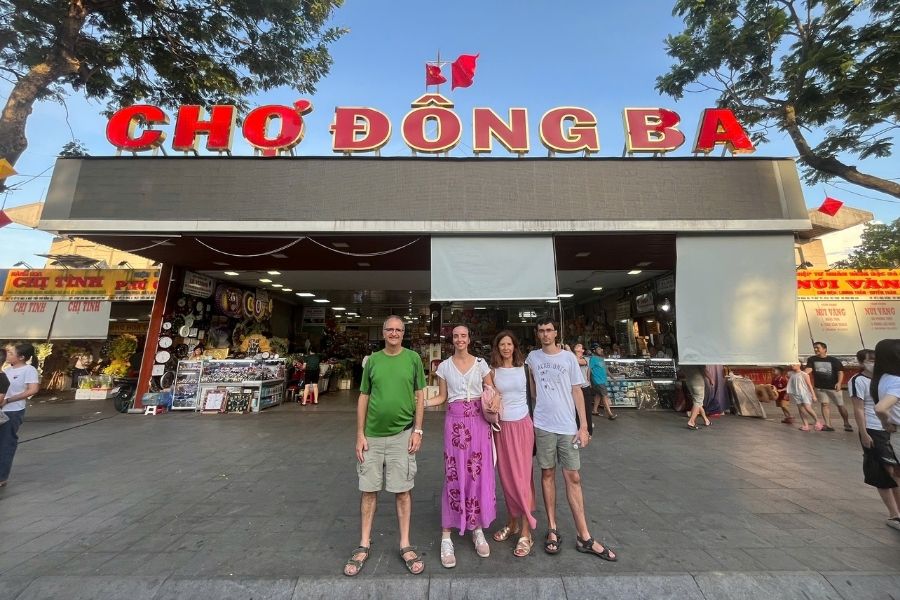 Markets are living classrooms of culture. From floating markets and night bazaars in Indochina to food streets and fish markets in Japan, these spaces reveal how people trade, eat, and socialize.
Walking through markets with local guides, travelers learn to recognize regional produce, traditional snacks, and handmade goods while observing the rhythm of everyday life. The sounds, scents, and conversations create an atmosphere that no museum can replicate, turning ordinary shopping into cultural storytelling.
Combining Indochina and Japan in One Cultural Journey
Combining Indochina and Japan creates a powerful cross-regional experience. Travelers often start in Southeast Asia with Vietnam, Cambodia, and Laos before continuing to Japan.
Suggested flow: Vietnam → Cambodia → Laos → Japan
This travel route for cultural experiences in Indochina and Japan balances tropical heritage with refined Japanese culture. The best seasons to visit both Indochina countries and Japan typically range from October to April, offering comfortable weather. By mixing slow travel in Indochina with structured exploration in Japan, you can enjoy both authenticity and efficiency.
Practical Tips for Meaningful Cultural Experiences in Indochina & Japan
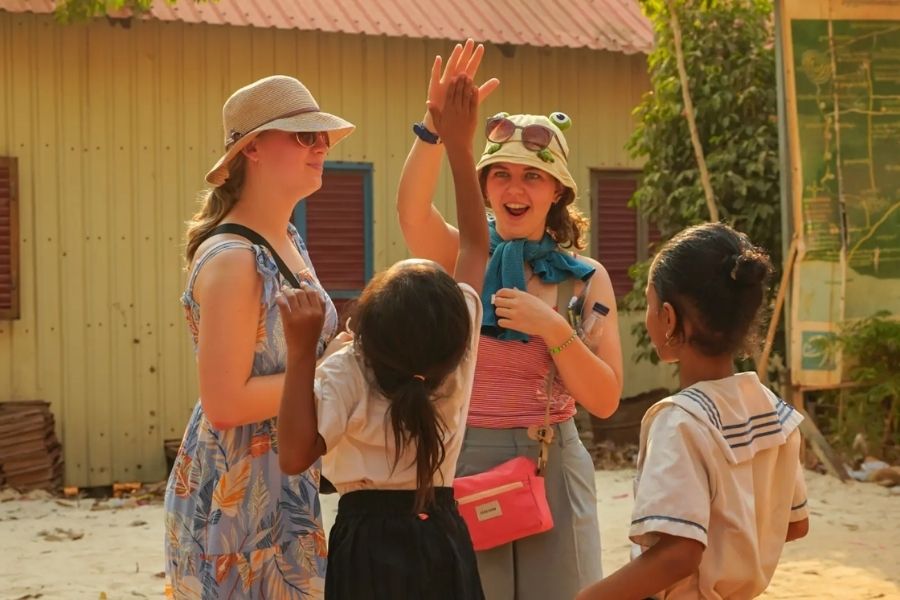 Cultural travel becomes truly rewarding when travelers go beyond simply visiting destinations and take time to understand the values, customs, and daily life of the places they explore. To make cultural experiences in Indochina and Japan more authentic and respectful, travelers should keep a few important practices in mind:
- Respect local customs and temple etiquette, especially in sacred or spiritual spaces
- Learn a few basic greetings and polite phrases in the local language
- Dress appropriately when visiting religious or traditional sites
- Support local businesses, artisans, and family-run services whenever possible
- Choose knowledgeable local guides who can provide cultural context and storytelling
FAQ about Cultural Experiences in Indochina and Japan
Below are some frequently asked questions to help travelers plan a more meaningful journey across these two culturally rich regions.
What are the best cultural experiences in Indochina?
Instead of simply sightseeing, visitors engage with living culture through hands-on and authentic Indochina cultural activities such as:
- Join the morning alms-giving ceremony in Luang Prabang
- Boat ride through the Mekong floating markets
- Walk Hoi An’s lantern-lit Ancient Town at night
- Take a market-to-table cooking class in Vietnam
- Watch Apsara dance in Cambodia
- Visit Angkor Wat at sunrise
- Join handicraft workshops in local villages
How many days are needed for Japan cultural travel?
A well-balanced cultural journey in Japan typically requires around 7 to 10 days to experience key highlights without rushing. For travelers with more time, 10 to 14 days provides a deeper experience, including rural areas, onsen towns, and additional cultural regions beyond the main tourist routes.
Can Indochina and Japan be combined in one trip?
Yes, Indochina and Japan can be combined in a single trip, especially for travelers who want to experience both Southeast Asian and East Asian cultures in one journey.
What is the best time for cultural tours in Asia?
The best time for cultural travel in Asia generally falls between October and April, when weather conditions are more comfortable and suitable for sightseeing and outdoor activities.
Are cultural tours suitable for seniors and families?
Yes, cultural tours in both Indochina and Japan are well-suited for seniors and families, as they can be designed with flexible pacing and comfortable travel arrangements. Many cultural activities do not require physical effort and can be enjoyed at a relaxed pace.
Cultural experiences in Indochina and Japan together form one of Asia’s most rewarding cultural routes. From ancient temples and river life in Southeast Asia to refined traditions and port-city heritage in Japan, this journey blends history, spirituality, and everyday culture into a seamless travel story. By exploring both regions thoughtfully, travelers discover not just destinations, but the living heritage that defines Asia’s soul.

