
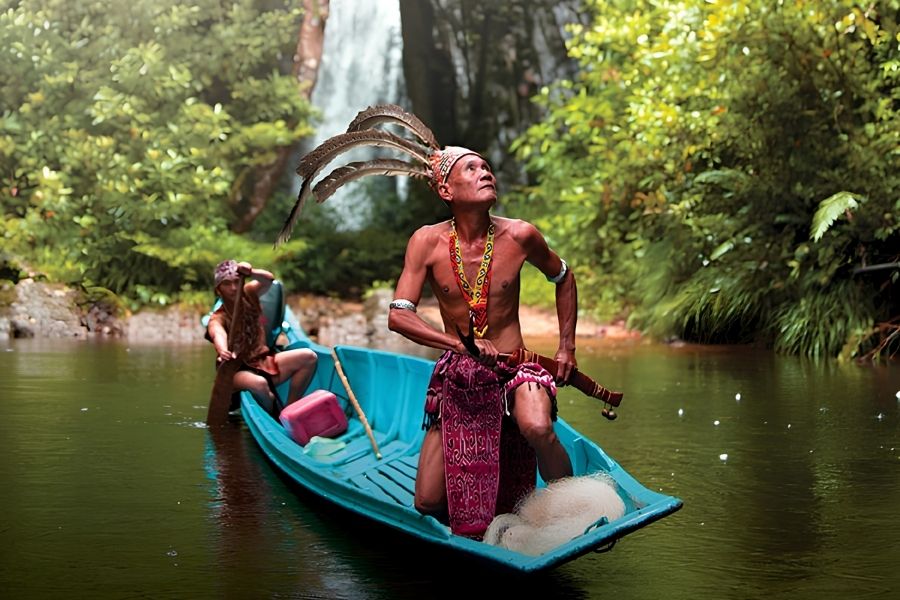
Asia offers far more than famous landmarks and postcard attractions. Travelers who want to build meaningful connections increasingly look for authentic cultural experiences instead of rushed sightseeing schedules. Even cruise passengers now seek deeper immersion through carefully designed shore excursions in Japan that introduce regional traditions, family-owned businesses, and local communities beyond busy port areas.
To truly experience local life in Asia, travelers need curiosity, flexibility, and a willingness to slow down. Authentic travel experiences are rarely found inside large tour groups or heavily commercialized attractions. They happen naturally through local interactions, cultural participation, and time spent in ordinary places where daily life unfolds.
Stay in Locally Owned Accommodations
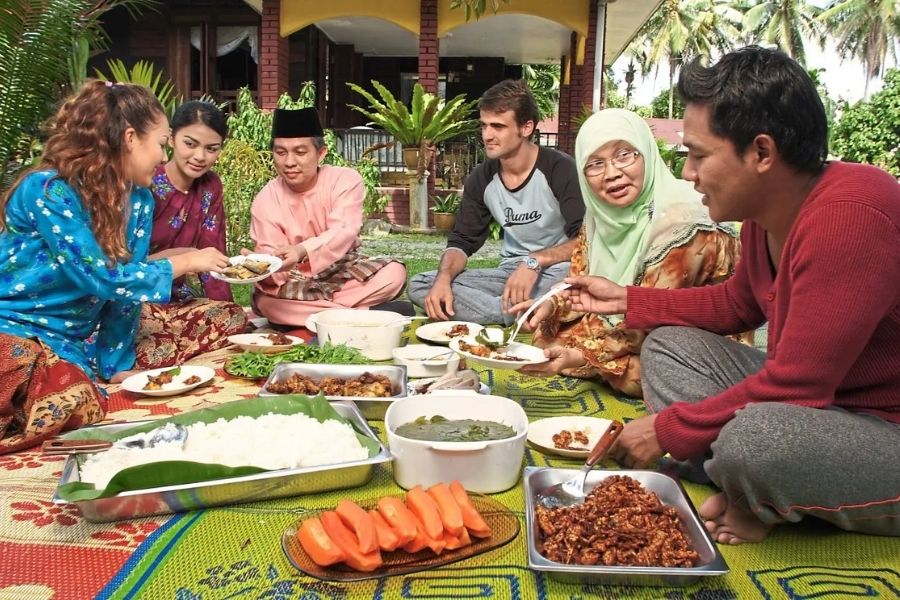 One of the easiest ways to connect with local culture is by staying in smaller accommodations operated by local families. In many parts of Asia, homestays provide experiences that large international hotels simply cannot offer. Guests often share meals with hosts, learn about regional customs, and receive personal recommendations that never appear in guidebooks.
Traditional architecture in each destination adds depth and atmosphere to the travel experience while helping visitors better understand local culture.
- Ryokans in Japan: Traditional inns featuring tatami rooms, hot springs, and authentic Japanese hospitality.
- Wooden Houses in Vietnam: Rustic stilt houses and family homes that reflect local village life and ethnic traditions.
- Heritage Homes in Laos and Cambodia: Restored colonial and traditional residences transformed into culturally rich guesthouses.
- Traditional Courtyard Houses in China: Historic homes centered around peaceful courtyards that showcase classic Chinese architecture.
- Hanok Houses in South Korea: Traditional Korean homes built with natural materials and heated flooring systems.
- Bamboo Eco-Lodges in Indonesia and Thailand: Sustainable accommodations designed with bamboo and local craftsmanship near nature.
Family-run accommodations usually offer a warmer and more flexible atmosphere. Owners frequently recommend hidden restaurants, local cafés, lesser-known temples, and neighborhood events. Many travelers remember these personal conversations long after the trip ends.
Explore Local Markets and Street Food Culture
One of the most authentic ways to experience local life in Asia is through local markets and street food culture. Markets are not only places to shop or eat, they reflect daily routines, social habits, and regional traditions that shape everyday life across Asia.
Visit Morning Markets and Night Markets
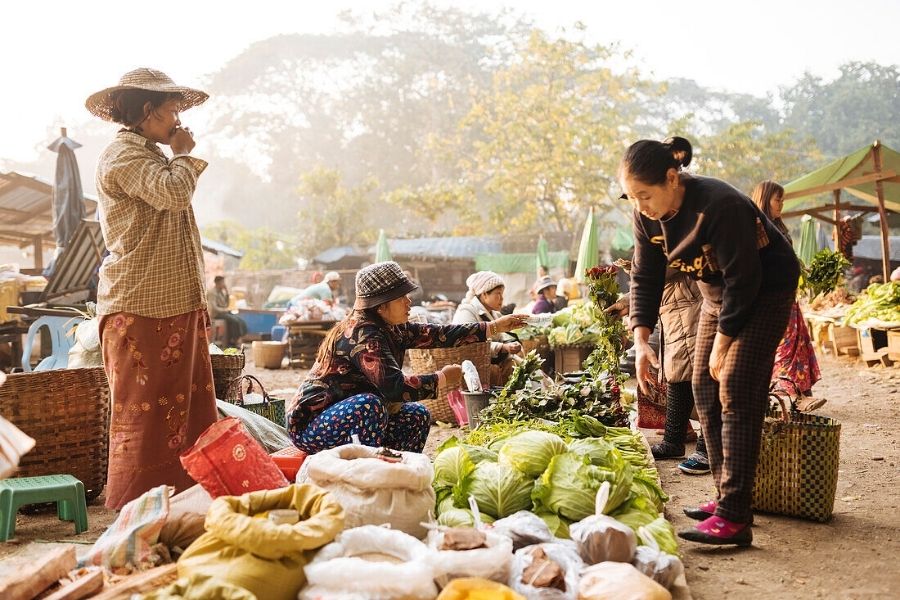 Markets reveal the rhythm of local communities better than almost anywhere else. Morning markets are often filled with residents buying fresh vegetables, seafood, herbs, and household essentials before the day begins. In contrast, night markets become lively social spaces where families, students, and workers gather after sunset.
Popular examples across Asia include:
- Hanoi Old Quarter, Vietnam: Famous for street-side noodle stalls, grilled meat, and fresh herbs
- Chiang Mai, Thailand: Known for evening markets combining handicrafts with regional cuisine
- Osaka, Japan: Home to energetic food districts packed with small local eateries
- Taipei, Taiwan: Popular for bustling night markets serving iconic street food
- Luang Prabang, Laos – Offers traditional handmade goods and authentic local snacks
Eat Where Local Residents Eat
Street food is an essential part of daily life throughout Asia. In many cities, residents eat outside the home regularly because local vendors provide affordable, fresh, and highly specialized dishes.
A useful tip many experienced travelers follow:
- Busy food stalls with long local lines often indicate trusted quality and consistency
- Vendors usually specialize in only one or two dishes perfected over many years
- Local eating spots often provide more authentic flavors than tourist-oriented restaurants
Regional cuisine also reflects geography, climate, and cultural history. For example:
- Coastal regions commonly focus on fresh seafood dishes
- Mountain communities often use herbs, grilled meats, and preserved ingredients
- Urban street food scenes blend traditional recipes with modern local trends
Join Cooking Classes With Local Families
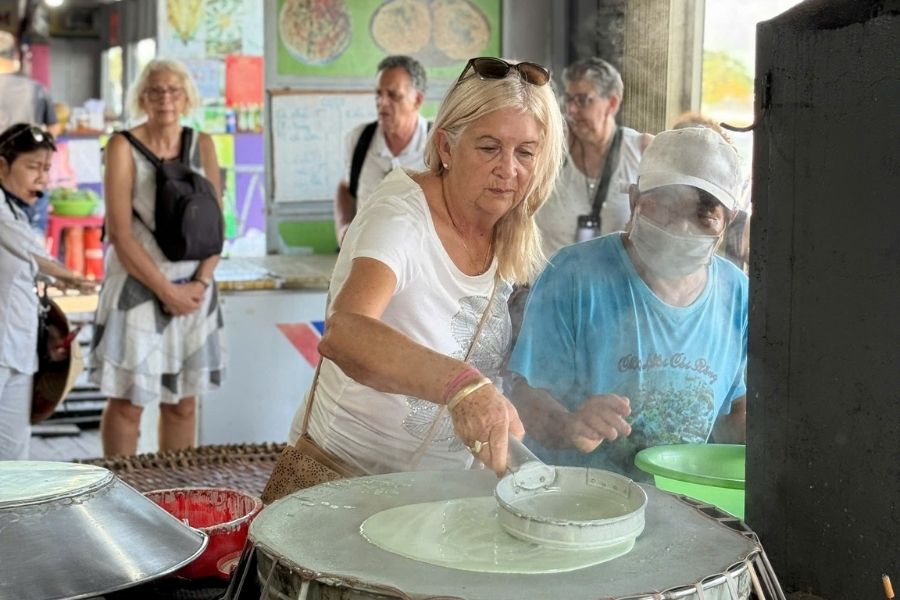 Cooking classes offer a more hands-on way to connect with local culture while learning traditional recipes and food preparation methods. Different countries also offer unique culinary experiences:
- Thailand: Curry paste making and traditional stir-fry techniques
- Japan: Sushi preparation and seasonal home-style cooking
- Vietnam: Balancing herbs, broth, texture, and fresh ingredients
- Indonesia: Traditional spice blending and grilled dishes
Food preparation naturally encourages conversation and cultural exchange. Recipes often carry family history, regional identity, and generations of tradition, making cooking classes one of the most immersive ways to experience Asian culture.
Use Local Transportation for Everyday Experiences
Using local transportation is one of the simplest ways to experience local life in Asia. Instead of moving between tourist attractions in private cars, travelers can observe everyday routines, local interactions, and the natural rhythm of each destination.
Travel by Train, Ferry, or Public Bus
Public transportation provides a more realistic view of daily life than organized tours or private transfers. Commuters heading to work, students chatting with friends, and families traveling together all contribute to a more authentic cultural experience.
Some memorable transportation experiences across Asia include:
- Local trains in Japan: Clean, efficient, and deeply connected to daily urban life
- Public buses in Vietnam: Affordable transportation used heavily by local residents
- Ferries in Indonesia: Essential for connecting islands and coastal communities
- Train routes in Taiwan: Scenic journeys passing mountains, villages, and coastlines
- Rail travel in India: A vibrant and social way to experience regional diversity
Train journeys can be especially rewarding because they reveal landscapes and communities rarely seen on standard tourist itineraries. Travelers may pass through rice fields, fishing villages, mountain towns, and residential neighborhoods while observing ordinary life unfold naturally.
Ride Tuk-Tuks, Cyclos, and Local Boats
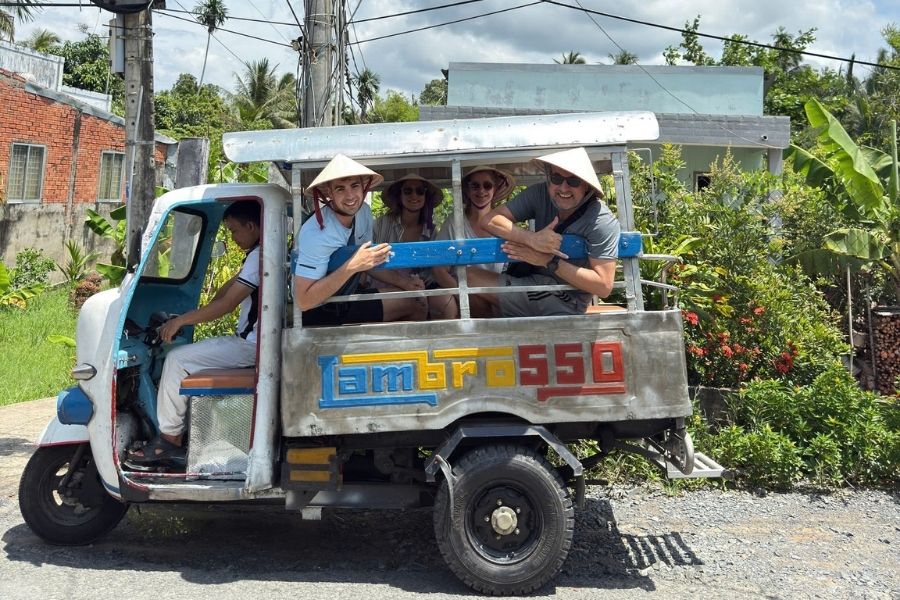 Short-distance transportation is also part of the cultural experience in many Asian countries. Traditional vehicles often allow slower travel through neighborhoods and streets that larger vehicles cannot access.
Popular local transportation options include:
- Tuk-tuks in Thailand: Iconic three-wheeled vehicles used for quick city travel
- Cyclos in Vietnam: Traditional bicycle taxis offering a slower pace through historic districts
- Local boats in floating villages: Common in parts of Cambodia, Vietnam, and Indonesia
- Jeepneys in the Philippines: Colorful public vehicles reflecting local creativity and culture
- Rickshaws in India and Bangladesh: Everyday transportation deeply connected to urban life
These rides often create opportunities for spontaneous conversations and unexpected discoveries. Drivers frequently share local stories, recommend hidden food spots, or explain neighborhood history from a resident’s perspective.
Participate in Local Festivals and Traditions
Joining cultural festivals and local traditions is one of the most meaningful ways to experience local life in Asia. These experiences allow travelers to see how communities celebrate history, spirituality, family values, and seasonal changes through shared traditions.
Festivals across Asia are deeply connected to local identity and community life. They often combine religion, music, food, traditional clothing, and public celebrations into unforgettable cultural experiences.
Some of the most well-known cultural festivals include:
- Matsuri Festivals in Japan: Traditional parades, portable shrines, street performances, and local food stalls
- Lunar New Year in Vietnam: Family gatherings, ancestral traditions, symbolic meals, and cultural ceremonies
- Lantern Festivals across East and Southeast Asia: Illuminated lantern displays symbolizing luck, hope, and renewal
- Songkran in Thailand: Water festival celebrating the traditional Thai New Year
- Diwali in India: Festival of lights featuring decorations, prayers, and family celebrations
Explore Rural Villages and Smaller Towns
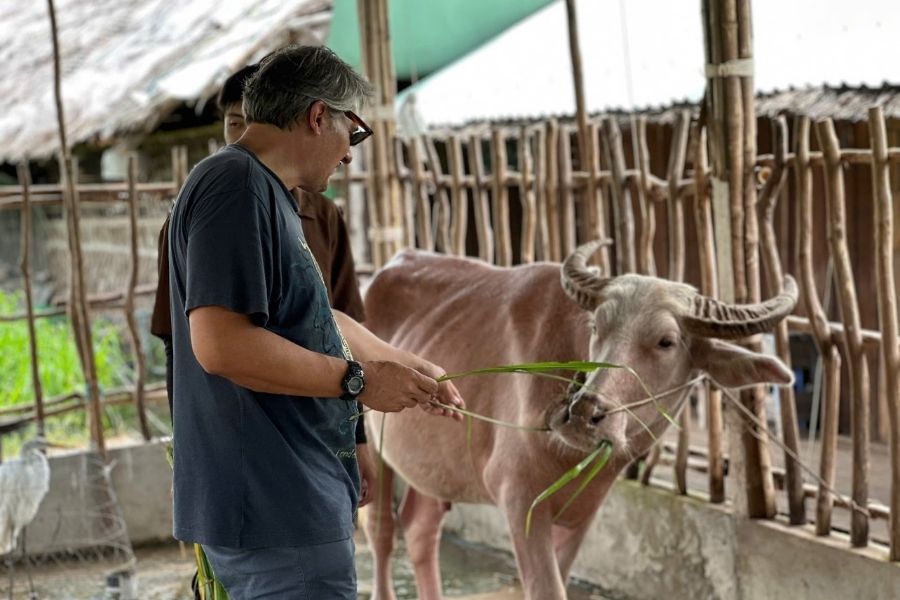 Travelers who want to truly experience local life in Asia should look beyond major tourist cities. While large urban centers offer energy and convenience, smaller towns and rural villages often provide deeper cultural immersion and more authentic daily experiences.
In many rural destinations, visitors interact directly with local families and communities rather than tourism systems built mainly for international travelers. This creates a more personal and meaningful travel experience.
Popular rural experiences include:
- Northern Vietnam: Rice planting, mountain trekking, and ethnic minority villages
- Coastal Japan: Quiet fishing communities and traditional countryside living
- Nepal: Mountain villages surrounded by Himalayan landscapes
- Indonesia: Farming communities and traditional village ceremonies
- Laos: Riverside villages with slow-paced local lifestyles
- Bhutan: Buddhist communities focused on spirituality and sustainability
Connect With Local Guides and Residents
Building connections with local residents is one of the most effective ways to experience local life in Asia. Local guides, neighborhood hosts, and community-led experiences often provide cultural insight that travelers cannot easily discover on their own.
Knowledgeable local guides can transform ordinary sightseeing into a much deeper cultural experience. Beyond explaining landmarks, they often share regional history, personal stories, family traditions, and local perspectives that add important context to a destination.
Although cruise tourism is sometimes criticized for limiting cultural immersion, thoughtfully planned shore excursions can still help travelers experience local life in Asia in meaningful ways. In destinations across Japan and other parts of Asia, regional tours often focus on cultural connection rather than rushed sightseeing.
Learn Basic Local Language and Etiquette
Travelers do not need fluency to improve cultural interactions. Learning simple greetings, thank-you phrases, and polite expressions creates immediate goodwill.
In many Asian countries, local residents appreciate visible effort even when pronunciation is imperfect. Small attempts at communication often lead to warmer conversations and more memorable experiences.
Respectful travelers usually receive more positive responses from local communities. Cultural awareness encourages smoother interactions and demonstrates appreciation for local traditions.
To truly experience local life in Asia, travelers should slow down, remain curious, and engage respectfully with the people and traditions that shape each destination. Meaningful travel is rarely about seeing the greatest number of attractions. It comes from understanding how people live, celebrate, work, and connect in everyday life.

