
Venturing through the vibrant markets of Southeast Asia or the lush orchards of East Asia reveals a world of flavors that captivate the senses. Asian exotic fruits stand out as nature's hidden gems, offering bursts of sweetness, tanginess, and unexpected textures that transform simple meals into memorable experiences. For those eager to dive deeper, curated Indochina tour packages weave fruit-hunting into immersive itineraries across Vietnam, Laos, and Cambodia. These rare fruits in Asia not only tantalize taste buds but also connect travelers to the rich cultural tapestry of the continent, where each bite tells a story of tropical climates and ancient traditions. From the bustling night markets in Bangkok to the serene villages in Bali, discovering these Asian tropical fruits becomes an adventure in itself, blending culinary delight with the thrill of exploration. As global interest in exotic foods in Asia grows, these fruits provide a gateway to healthier eating and novel gastronomic journeys.
Unveiling the King Among Asian Exotic Fruits: Durian
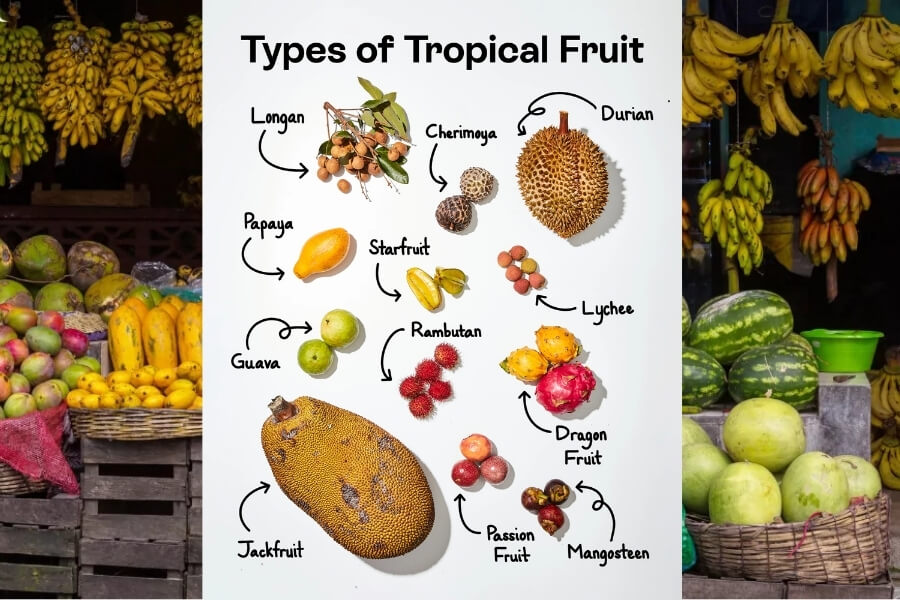
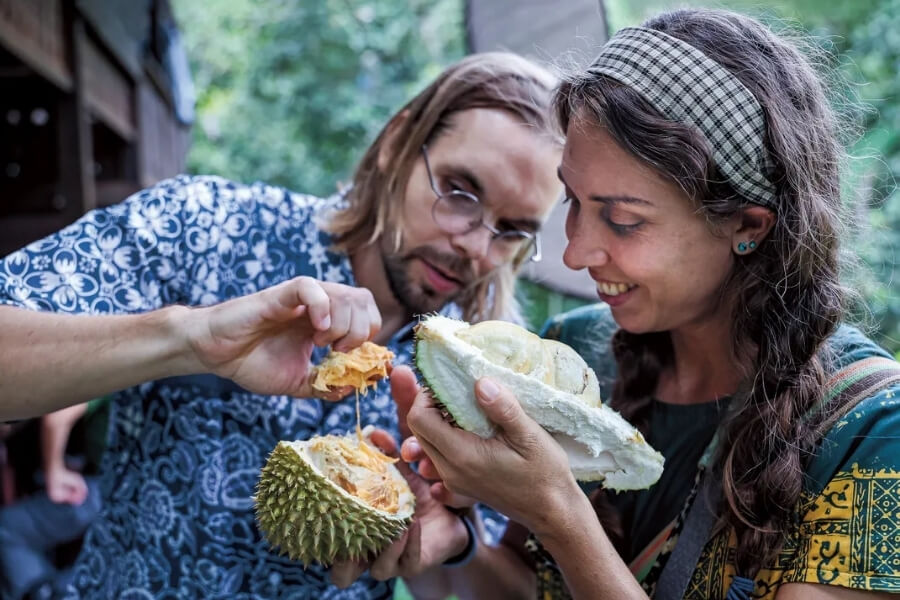
Often hailed as the king of fruits, durian commands attention with its formidable spiky shell and potent aroma that permeates the air in markets across Malaysia, Thailand, and Indonesia. Originating from Southeast Asia, this large, oval-shaped fruit can weigh up to several kilograms, its exterior a fortress of sharp thorns that protects the creamy, custard-like pulp inside. The flavor profile is a complex symphony - sweet and savory with hints of almond, caramel, and a subtle onion-like undertone that divides opinions but invariably leaves a lasting impression. Travelers wandering through the streets of Singapore or Kuala Lumpur often encounter signs banning durian from public transport due to its intense scent, a testament to its powerful presence in local culture.
Beyond its divisive aroma, durian offers substantial health benefits, rich in vitamin C, potassium, and dietary fiber that support immune function and digestive health. Studies highlight its antioxidant properties, which may help combat oxidative stress and promote heart health. In traditional medicine across Borneo and Sumatra, durian has been used to alleviate fever and skin irritations, drawing from centuries-old practices. When visiting durian farms in Thailand, one might witness the meticulous harvesting process, where ripe fruits are caught before they fall to avoid bruising. Enjoying durian fresh at a roadside stall evokes a sense of triumph, as the creamy pods melt in the mouth, rewarding the bold with an unparalleled tropical indulgence. For those new to exotic Asia fruits, starting with durian ice cream or smoothies eases the introduction, blending its richness with cooling elements for a more approachable delight.
The Queen of Exotic Asia Fruits: Mangosteen
Complementing durian's reign is mangosteen, frequently dubbed the queen for its elegant purple rind and pristine white segments that resemble a delicate flower upon opening. Native to the islands of Malaysia and Indonesia, this fruit thrives in humid, tropical environments, its thick, rubbery skin shielding a juicy interior that's slightly sour yet refreshingly sweet, evoking a blend of peach and orange with a floral note. Markets in the Philippines and Sri Lanka overflow with mangosteen during peak seasons, where vendors expertly crack them open, revealing the snow-white flesh that's as visually stunning as it is flavorful.
Mangosteen's appeal extends to its impressive nutritional profile, boasting high levels of xanthones - powerful antioxidants that combat inflammation and support intestinal health. Research from sources like the National Institutes of Health underscores its potential in regulating blood pressure and aiding weight management, making it a favored choice among health-conscious explorers. In cultural contexts, mangosteen features in Southeast Asian desserts and teas, symbolizing balance and vitality. Picture strolling through a Balinese orchard, plucking a ripe mangosteen and savoring its segments under the shade - such moments infuse travel with a profound sense of connection to the land. For optimal enjoyment, select fruits with a deep purple hue and slight give, ensuring a burst of tropical essence that lingers long after the journey ends.

Rambutan: A Hairy Delight in Asian Tropical Fruit Adventures
With its vibrant red, spiky exterior reminiscent of a mythical creature, rambutan invites curiosity in the bustling bazaars of Indonesia and Malaysia. This fruit, whose name derives from the Malay word for "hair," originates from Southeast Asia, growing in clusters on evergreen trees. Peeling away the soft spines uncovers translucent, juicy flesh encasing a single seed, offering a taste akin to sweet grapes with a subtle floral undertone that's both refreshing and addictive.
Packed with vitamin C, iron, and fiber, rambutan supports immune health and digestion, as noted in nutritional analyses from agricultural studies in the region. Its antioxidant content helps in maintaining skin vitality, a benefit cherished in traditional Thai remedies. Travelers in Borneo often encounter rambutan sold in bunches at local markets, where the act of peeling and eating them on the spot becomes a communal ritual, fostering conversations with vendors about harvest seasons. The fruit's versatility shines in salads or as a garnish for cocktails, adding a exotic twist to meals. Experiencing rambutan during a trek through Malaysian rainforests heightens the adventure, as the sweet juiciness provides instant rejuvenation amidst the humidity.

Dragon Fruit: The Vibrant Star of Rare Fruits in Asia
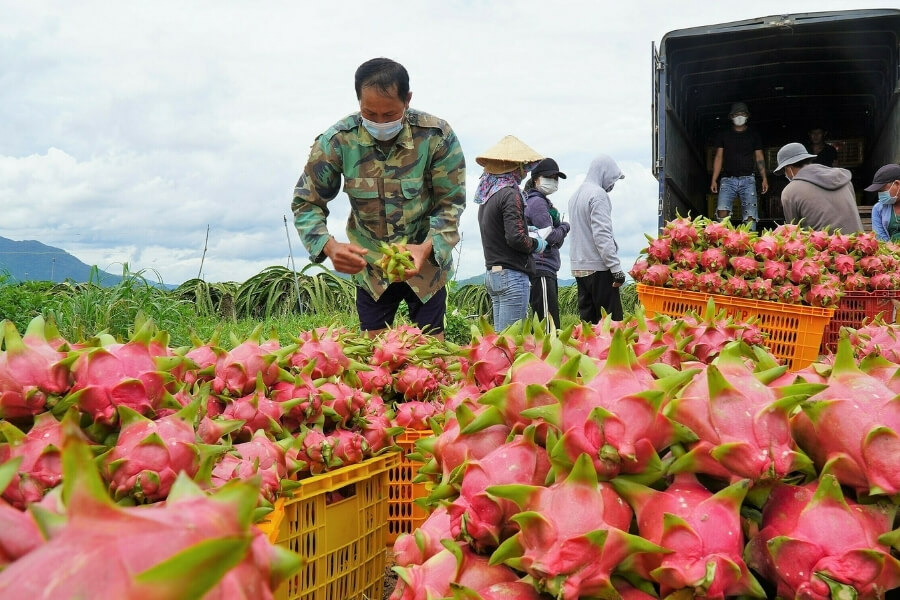
Dragon fruit, or pitaya, dazzles with its fuchsia-pink scales and flame-like tips, a visual spectacle that mirrors the fiery sunsets of Vietnam and Thailand where it's extensively cultivated. Though originally from Central America, it has become an integral part of Asian tropical fruit landscapes, thriving in cactus-like plants across Southeast Asia. The flesh - white or magenta speckled with tiny black seeds - delivers a mild, kiwi-like sweetness with a crunchy texture that's subtly refreshing.
This superfood is lauded for its high antioxidant levels, vitamin C, and fiber, which aid in digestion and boost immunity, according to health reports from the USDA. In Chinese medicine, it's valued for hydration and skin health. Visiting dragon fruit farms in Vietnam's Mekong Delta offers insights into nighttime pollination by moths, a natural wonder that enhances the fruit's mystique. Sliced into salads or blended into vibrant smoothies at beachside cafes in Phuket, dragon fruit transforms ordinary snacks into exotic feasts, leaving visitors yearning for more of Asia's colorful bounty.
Jackfruit: The Giant Among Exotic Foods in Asia
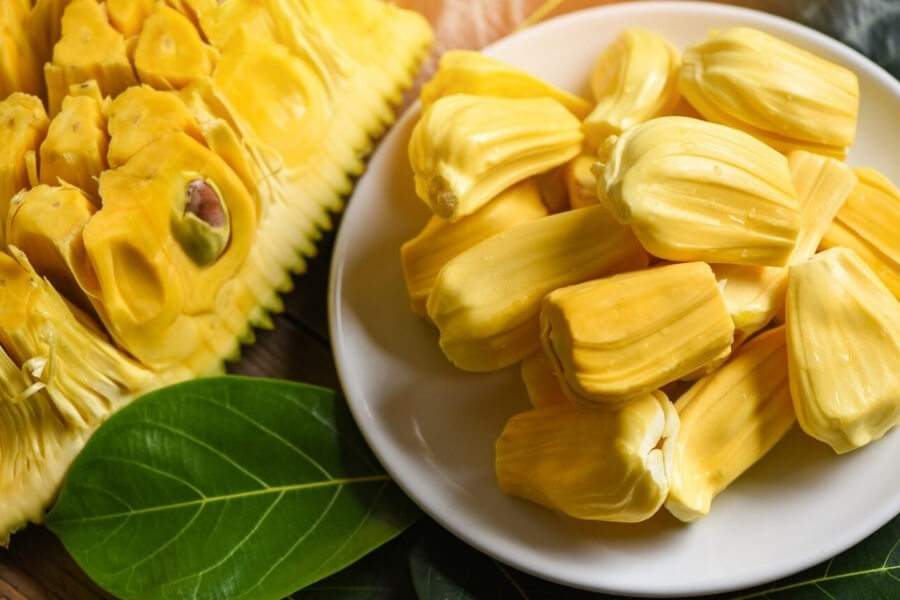
As the world's largest tree-borne fruit, jackfruit astounds with its massive size and bumpy green skin, often weighing up to 50 kilograms in the orchards of India and the Philippines. Native to South Asia, it has spread across Southeast Asia, where its fibrous pods yield a sweet flavor blending banana, pineapple, and mango when ripe, or a neutral, meat-like texture when unripe.
Rich in vitamins A, C, and B-complex, jackfruit promotes eye health, immunity, and energy levels, with studies from the World Health Organization emphasizing its role in sustainable nutrition. In vegan cuisine, unripe jackfruit mimics pulled pork, featured in curries across Thailand. Exploring jackfruit groves in Bangladesh, the national fruit's homeland, reveals its environmental benefits, as trees provide shade and prevent soil erosion. Tasting fresh pods at a Sri Lankan market evokes a sense of abundance, where the fruit's versatility inspires creative culinary explorations.
Lychee: The Jewel of Asian Exotic Fruits
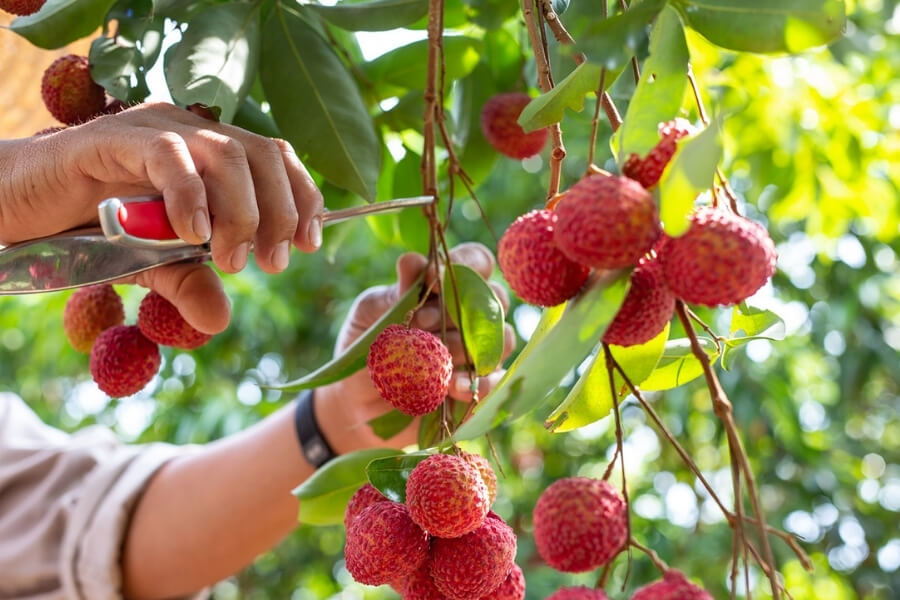
Lychee's rough, pink-red skin belies the translucent, pearl-like flesh within, a treasure from southern China's Guangdong province now cherished throughout Asia. This small fruit bursts with a sweet, floral taste reminiscent of grapes infused with rose water, making it a staple in Vietnamese and Indian desserts.
Loaded with vitamin C, potassium, and antioxidants, lychee enhances heart health and skin radiance, as evidenced by research in the Journal of Functional Foods. Culturally, it's symbolic in Chinese festivals, often gifted for good fortune. Wandering through lychee orchards in Fujian during harvest season, the air filled with its aroma, creates unforgettable memories. Whether enjoyed fresh or in iced teas at Hong Kong's teahouses, lychee embodies the elegant simplicity of exotic Asia fruits.
Longan: The Dragon's Eye in Rare Fruits in Asia
Known as the "dragon's eye" for its black seed peeking through translucent flesh, longan hails from southern Asia, flourishing in Thailand and China. Its light-brown shell peels easily to reveal a sweet, musky flavor similar to lychee but with a tart edge.
This fruit is a powerhouse of vitamin C and potassium, aiding in stress reduction and heart function per traditional Chinese medicine practices. In soups or dried as snacks, longan adds depth to meals. Travelers in Guangzhou markets delight in its clusters, where the act of peeling evokes a meditative pause amid the hustle, highlighting the serene side of Asian tropical fruit discoveries. 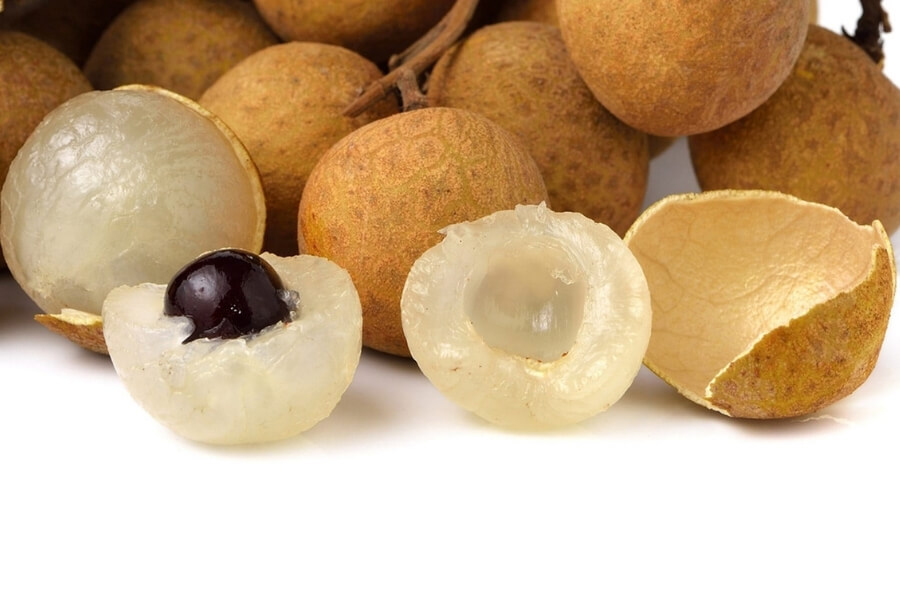
Star Fruit: Shining Bright Among Asian Exotic Fruits
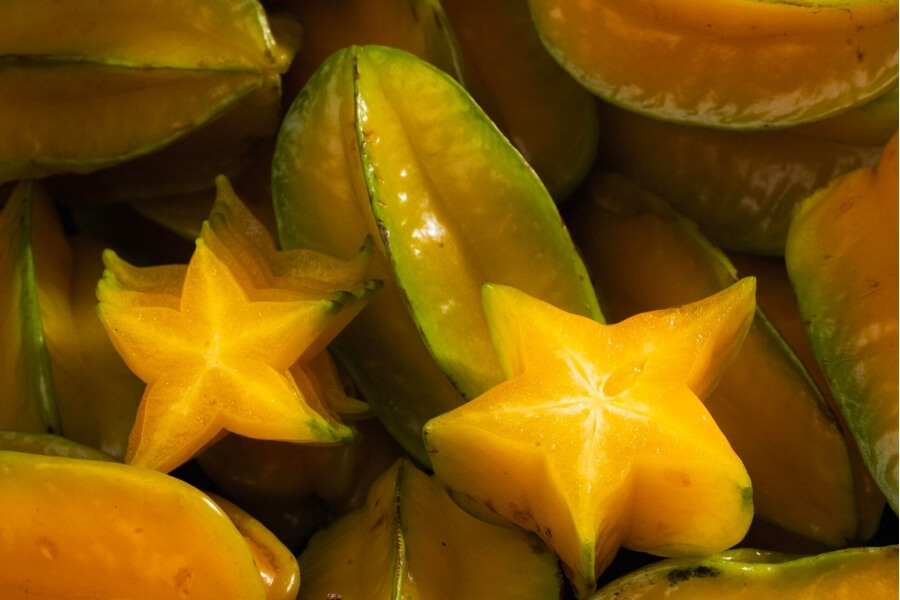
Star fruit, or carambola, slices into perfect stars, a whimsical touch from its origins in Indonesia and Malaysia. The yellow, waxy skin encases crisp, juicy flesh that's tart when green and sweet when ripe, blending apple and citrus notes.
High in vitamin C and fiber, it supports digestion and immunity, though those with kidney issues should consume moderately due to oxalates, as advised by health experts. Garnishing drinks in Philippine bars or salads in Vietnam, star fruit elevates presentations. Harvesting from trees in Sri Lankan gardens, its geometric appeal sparks joy, making it a favorite for photographers and food enthusiasts alike.
Salak: The Snake-Skinned Wonder of Exotic Asia Fruits
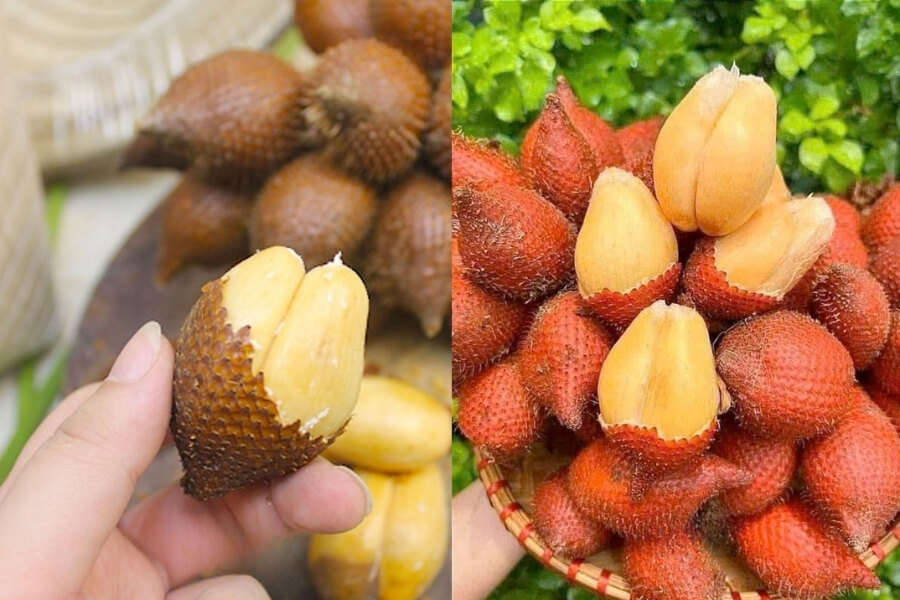
Salak's scaly, brown exterior earns it the "snake fruit" moniker, originating from Java and Sumatra in Indonesia. Inside, the white lobes offer a crunchy, sweet-sour taste like pineapple with a nutty hint.
Abundant in vitamins A and C, salak boosts vision and immunity, with fiber aiding digestion as per Indonesian nutritional studies. Pickled or fresh in Balinese rituals, it integrates into daily life. Peeling salak at a Thai market stall, the tactile experience adds intrigue, turning a simple snack into an engaging cultural encounter.
Pomelo: The Grand Citrus of Asian Tropical Fruit
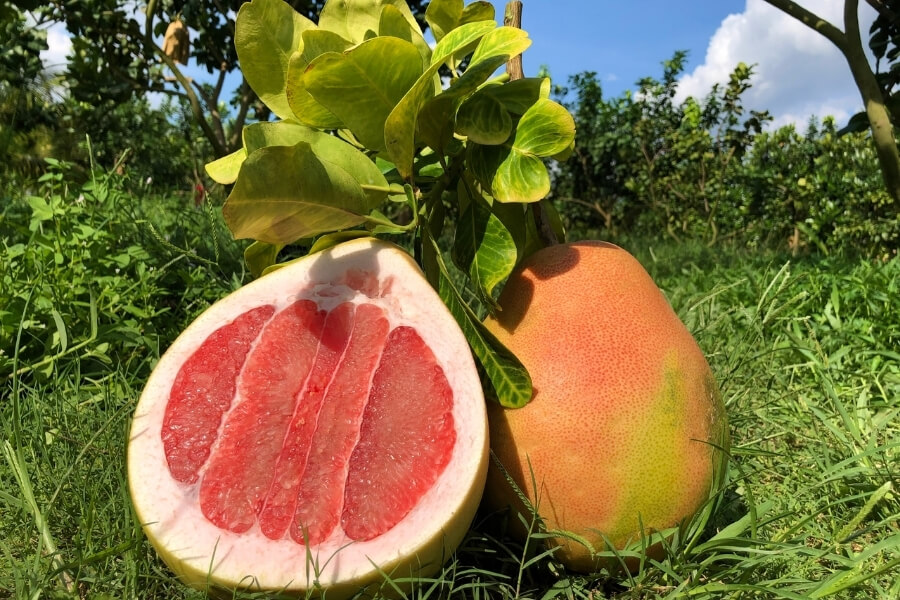
As the ancestor of grapefruit, pomelo impresses with its large size and thick peel from Southeast Asian origins like Malaysia. The pale yellow or pink segments deliver a mild, sweet-tart flavor less bitter than its descendants.
Packed with vitamin C, potassium, and fiber, pomelo regulates blood pressure and aids hydration, supported by citrus research from the Asian Pacific Journal of Tropical Medicine. In Chinese New Year celebrations, it's symbolic of abundance. Segmenting a pomelo at a Vietnamese family gathering fosters bonds, its refreshing juice a balm in humid climates.
Santol: The Cottony Surprise in Rare Fruits in Asia
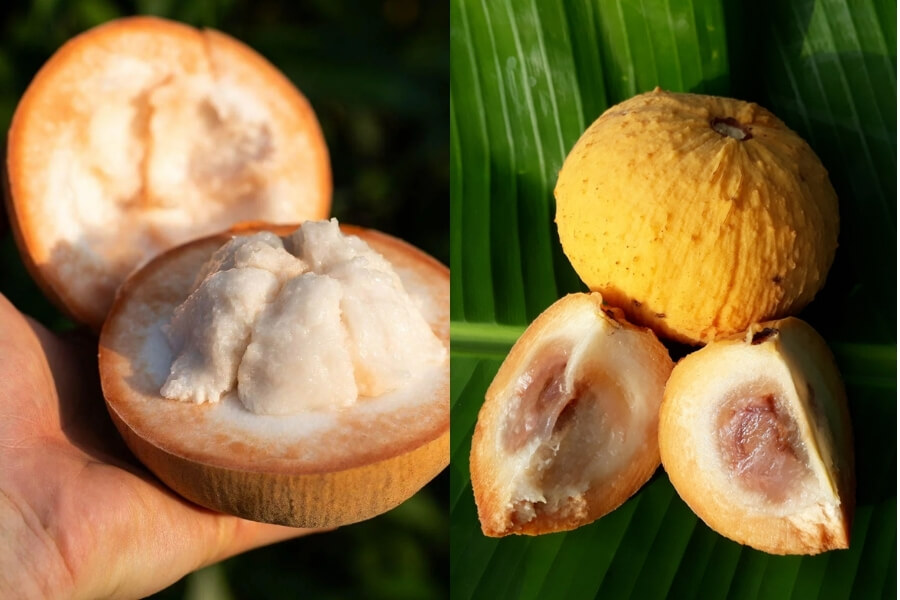
Santol, or wild mangosteen, features a thick rind enclosing cotton-like pulp from Philippine and Malaysian trees. The sweet-sour taste varies by ripeness, ideal for marmalades or fresh eating.
Rich in vitamins B and C, it combats inflammation and boosts mood, as traditional uses suggest. In Filipino bazaars, santol trees yield bountiful harvests. Trying santol in a Cebu market, the fibrous texture surprises, enriching the palette with authentic exotic flavors.
Lanzones: The Cluster Gem of Exotic Foods in Asia
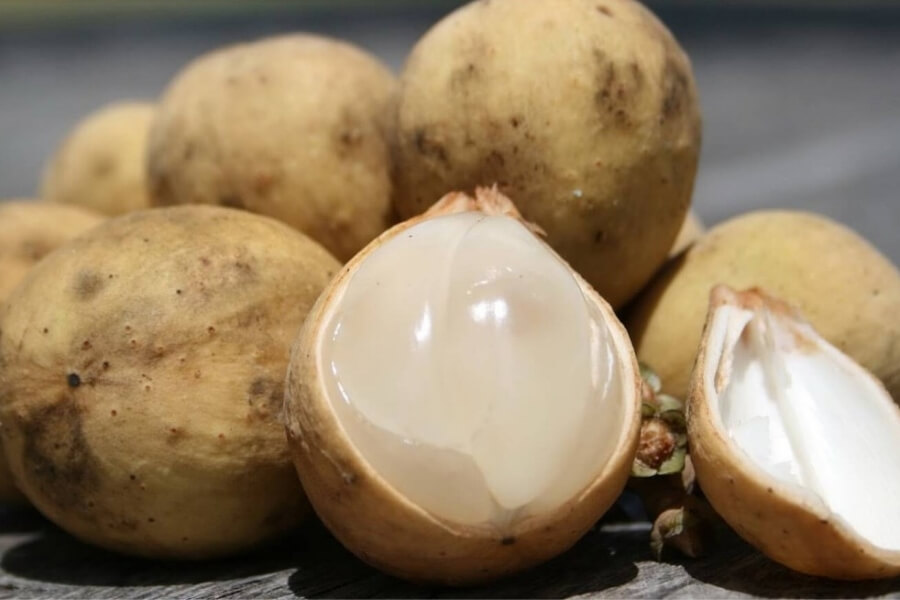
Lanzones, akin to grapes in bunches, originate from western Malaysia, popular in the Philippines. The thin-skinned fruits reveal sweet, segmented flesh with a grapefruit-like tang.
Full of minerals like iron and calcium, lanzones support bone health and digestion. Seasonal in southern Philippine islands, they star in desserts. Plucking lanzones during a Mindanao visit, the light refreshment complements tropical hikes.
Marang: The Mini Jackfruit Among Asian Exotic Fruits
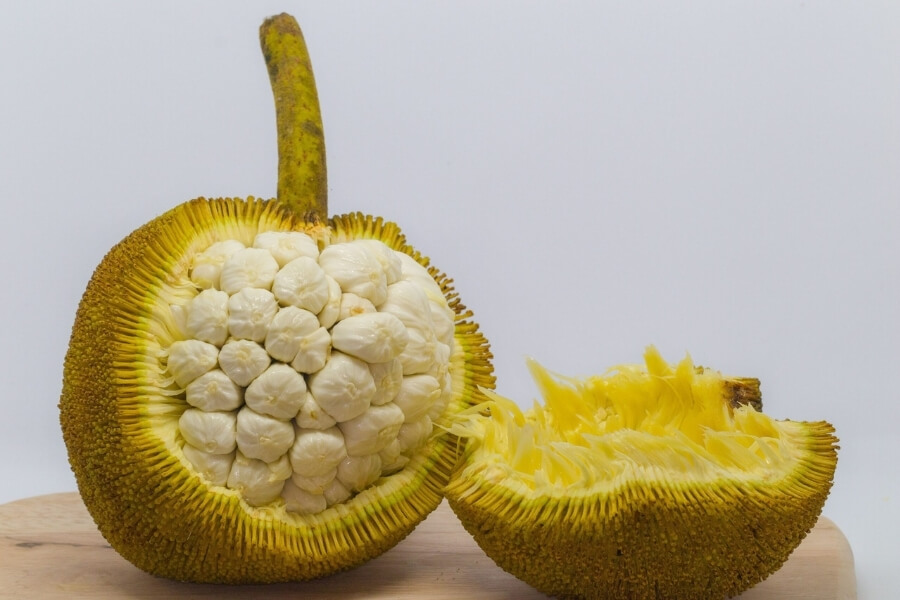
Marang, a smaller relative of jackfruit from Borneo and the Philippines, opens to white bulbs with a banana-pear fusion taste.
High in vitamins A and C, it reduces blood pressure. In Bornean markets, its sweet aroma draws crowds. Sampling marang outdoors, avoiding its initial scent, unveils a delightful treat.
Cherimoya: The Custard Delight in Rare Fruits in Asia
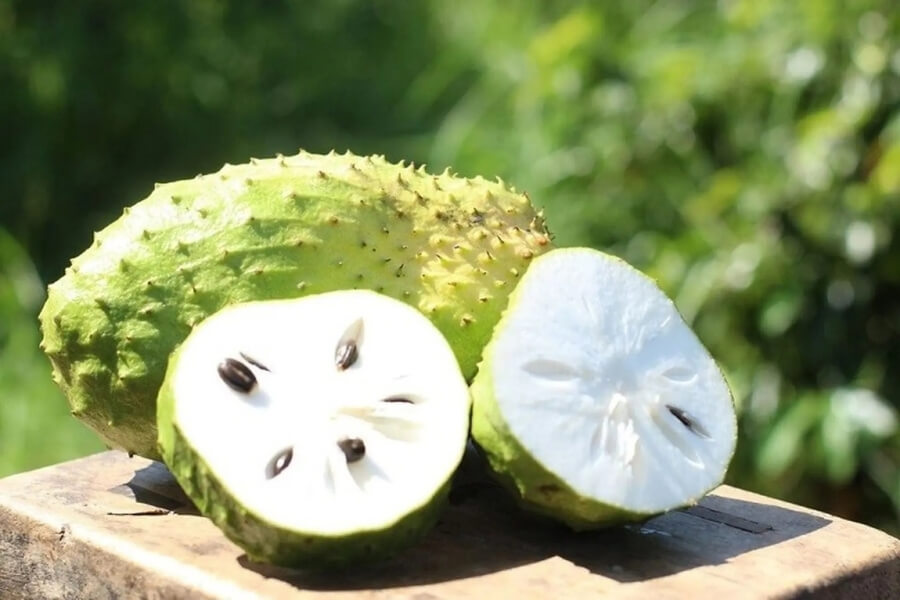
Cherimoya, with scaly green skin from Himalayan influences, offers creamy flesh tasting of banana and pineapple.
Loaded with vitamin C and fiber, it aids heart function. In Tibetan-inspired cuisines, it's a dessert staple. Scooping cherimoya in Indian markets, the custard texture enchants, wrapping up Asian fruit explorations sweetly.
These Asian exotic fruits embody the continent's biodiversity, each offering unique flavors and benefits that enrich travel narratives. Whether seeking health boosts or culinary thrills, incorporating them into journeys promises transformative experiences. Why not plan a trip to Southeast Asia's markets or farms to savor these treasures firsthand, creating stories that linger like their tastes?
