
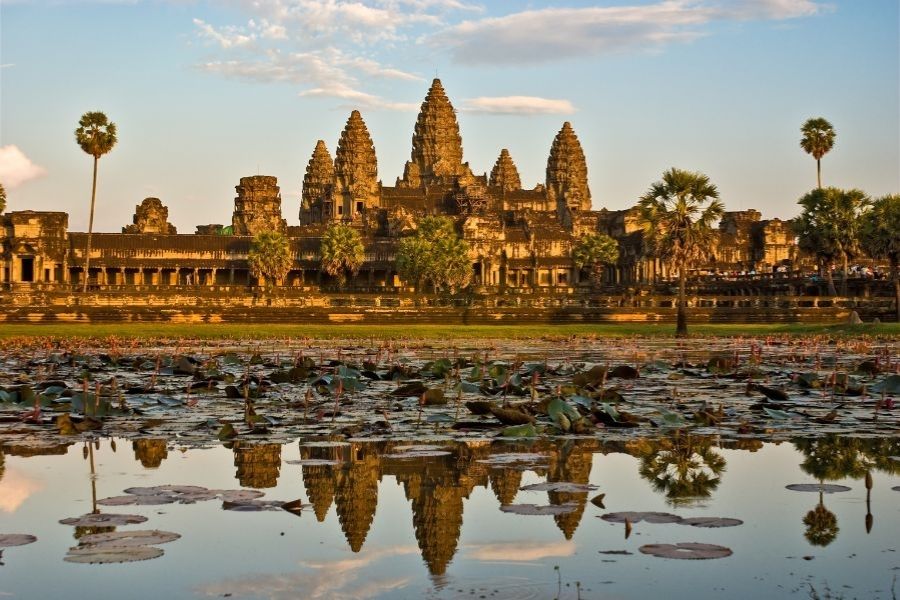
UNESCO World Heritage Sites are recognized as irreplaceable cultural and natural treasures of humanity. They represent outstanding examples of human creativity, spiritual belief, historical achievement, and the delicate relationship between people and nature. More than just famous landmarks, these sites preserve stories that have shaped civilizations across centuries.
Asia, as the cradle of some of the world’s oldest civilizations, is home to one of the richest collections of UNESCO World Heritage Sites on the planet. Traveling along Asia’s UNESCO Heritage Trail invites explorers to move across borders and eras, connecting remarkable destinations that reveal the continent’s soul. From ancient temples in Southeast Asia to historic cities in Japan explored with trusted local experts like JapanShoreExcursions, this heritage trail offers meaningful encounters with Asia’s most treasured legacies.
Why Asia’s UNESCO Heritage Sites Matter?
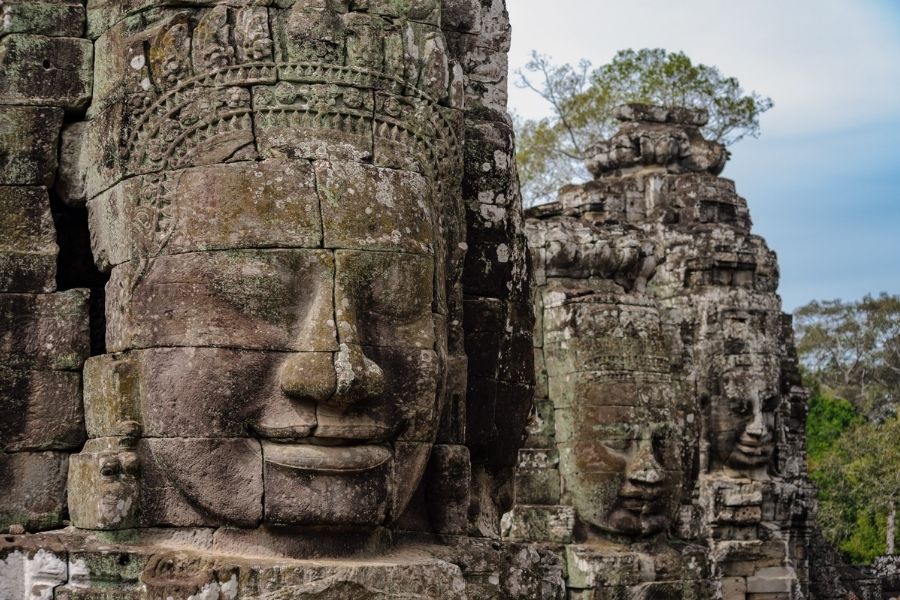 UNESCO heritage sites in Asia span an extraordinary range of categories: sacred temples and religious complexes, dramatic natural wonders, well-preserved historic cities, and living cultural traditions that continue to thrive today. This diversity makes Asia an essential destination for culture and history enthusiasts. Each region offers a distinct narrative:
- Hindu-Buddhist architecture in Southeast Asia
- Imperial legacies in East Asia
- Spiritually rich landscapes in South Asia.
Together, these sites form a mosaic of civilizations that have influenced the world for thousands of years. For that, exploring UNESCO sites in Asia is not simply sightseeing; it is an immersive journey into the beliefs, artistry, and ingenuity of humanity.
Top Significant UNESCO Heritage Sites in Asia
1. Angkor Wat (Cambodia)
Angkor Wat stands as the magnificent legacy of the Khmer Empire and one of the largest religious monuments ever built. Originally constructed as a Hindu temple and later transformed into a Buddhist sanctuary, its intricate carvings and grand layout reflect exceptional architectural mastery. Sunrise visits offer a truly unforgettable experience.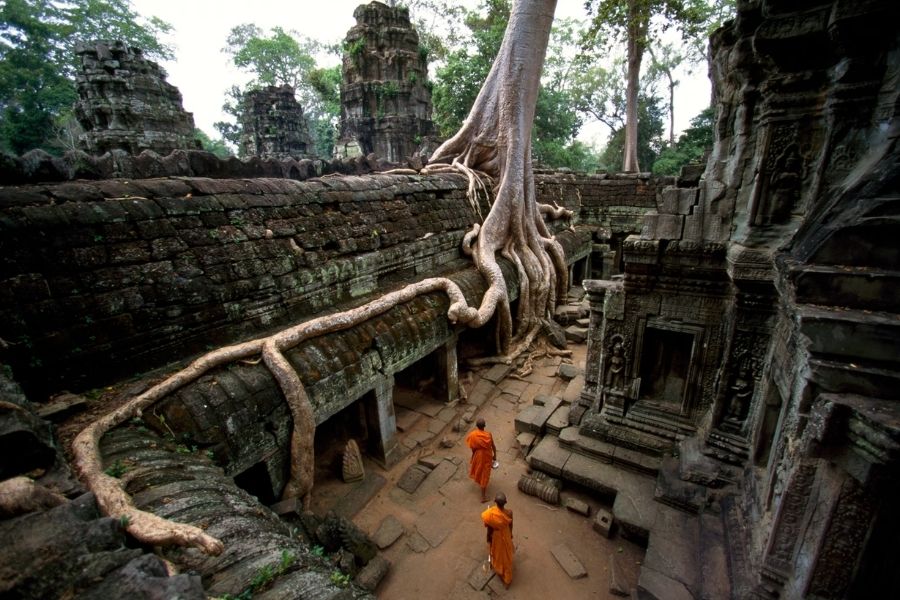
Highlights
- World’s largest religious monument
- Masterpiece of Khmer architecture and symbolism
- Intricate bas-reliefs depicting Hindu epics
- Stunning sunrise views over the reflecting pools
- Transition from Hinduism to Buddhism reflected in design
Quick Notes:
- Dress modestly (covered shoulders and knees)
- Early morning visits are best to avoid crowds and heat
- Large site, walking shoes highly recommended
General Information
- Location: Angkor Archaeological Park, Siem Reap, Cambodia
- Entrance Fee: Approx. USD 37 (1-day pass), USD 62 (3-day pass)
2. Ha Long Bay (Vietnam)
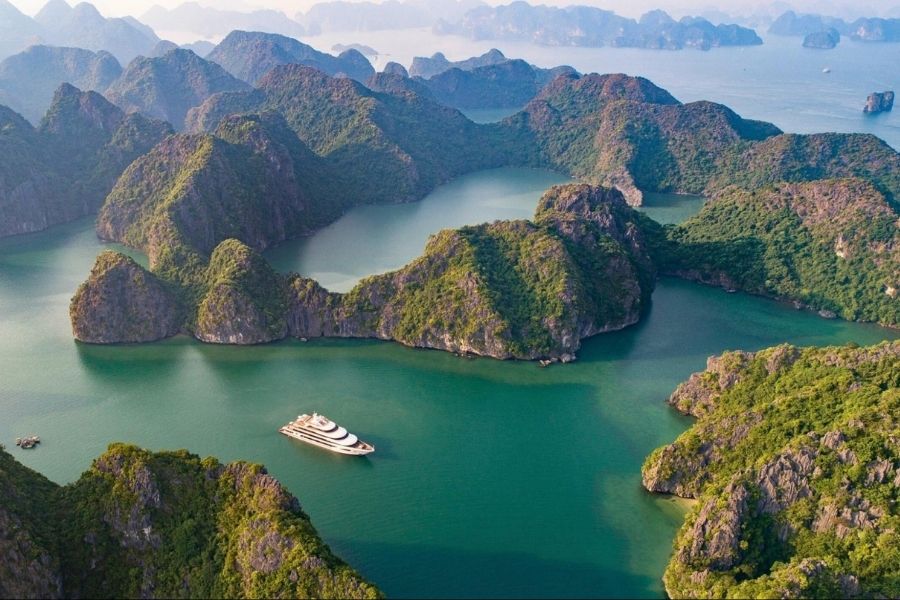
Ha Long Bay captivates visitors with thousands of limestone karsts rising dramatically from emerald waters. This natural wonder is best explored by cruise, allowing travelers to kayak through hidden lagoons, explore limestone caves, and admire the bay’s ethereal beauty.
Highlights
- Thousands of limestone karsts rising from emerald waters
- UNESCO-listed natural seascape
- Caves, floating villages, and hidden lagoons
- Ideal for cruising, kayaking, and overnight stays
- Iconic symbol of Vietnam’s natural beauty
Quick Notes:
- Best visited by boat or cruise
- Overnight cruises offer the most immersive experience
- Weather can affect visibility (best from October to April)
General Information
- Location: Quang Ninh Province, Northern Vietnam
- Entrance Fee: Approx. USD 10–15 (bay entrance); cruises extra
3. Luang Prabang (Laos)
Luang Prabang in Laos is a harmonious blend of traditional Lao culture and French colonial influence. With its golden temples, quiet streets, and the daily alms-giving ritual along the Mekong River, the town offers a serene and deeply cultural experience.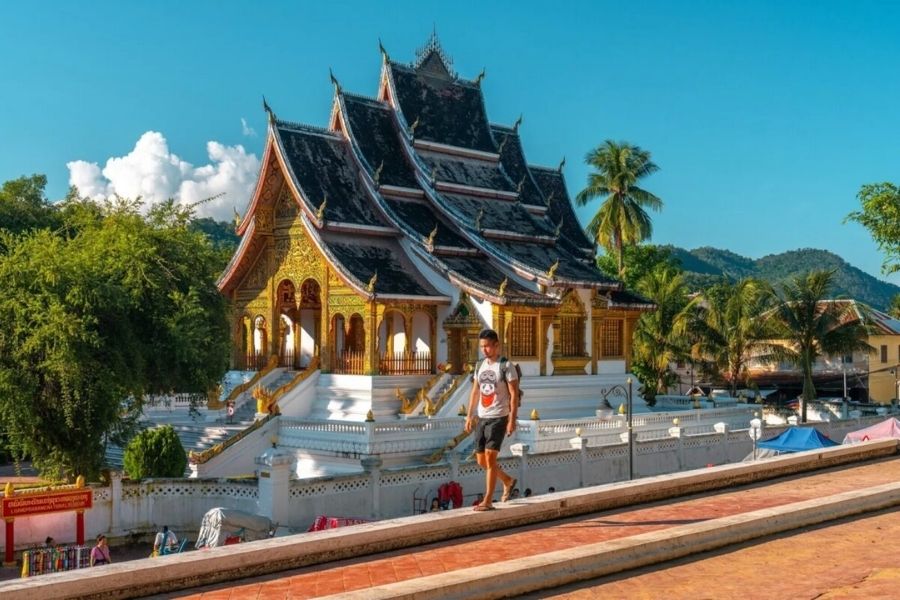
Highlights
- Blend of traditional Lao and French colonial architecture
- Dozens of Buddhist temples (Wat Xieng Thong is a must-see)
- Daily morning alms-giving ceremony
- Peaceful Mekong and Nam Khan riverside setting
- Relaxed, spiritual atmosphere
Quick Notes:
- Respect local customs during alms-giving
- Early mornings are quiet and photogenic
- Easy to explore on foot or bicycle
General Information
- Location: Northern Laos, at the confluence of Mekong & Nam Khan Rivers
- Entrance Fee: City access is free; temples approx. USD 1–2 each
4. Bagan (Myanmar)
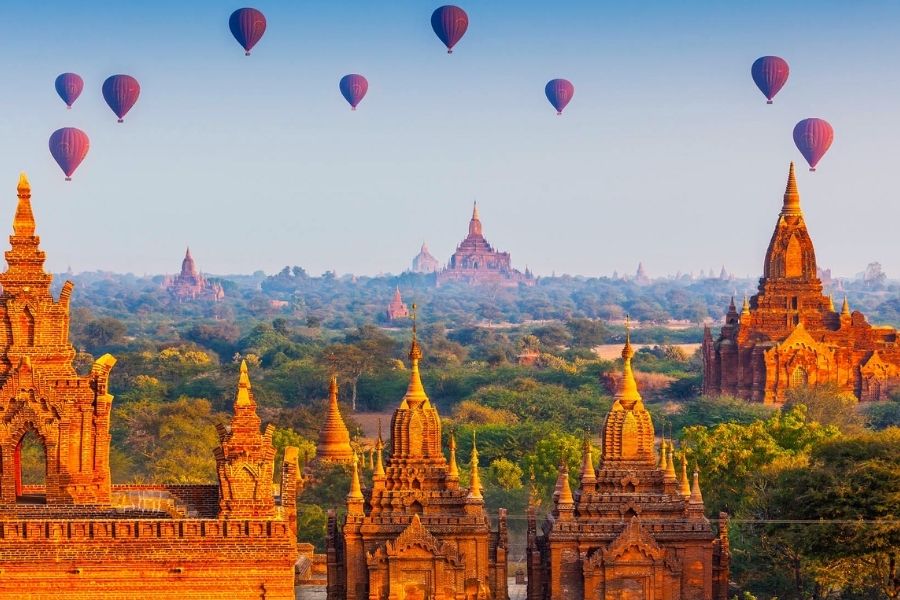 Bagan’s vast plain is dotted with thousands of ancient temples and stupas, creating one of Southeast Asia’s most awe-inspiring archaeological landscapes. Watching sunrise or sunset over Bagan (especially from a hot air balloon) reveals the site’s mystical atmosphere.
Highlights
- Over 2,000 ancient temples and stupas across vast plains
- One of Southeast Asia’s richest archaeological zones
- Spectacular sunrise and sunset viewpoints
- Iconic hot-air balloon experiences
- Strong spiritual and historical atmosphere
General Information
- Location: Mandalay Region, Central Myanmar
- Entrance Fee: Approx. USD 25 (Bagan Archaeological Zone Fee)
Quick Notes:
- E-bikes are popular for exploring the site
- Balloon rides are seasonal (typically Oct–Mar)
- Temples vary in accessibility, you should check local guidelines in advance.
5. The Great Wall & the Forbidden City (China)
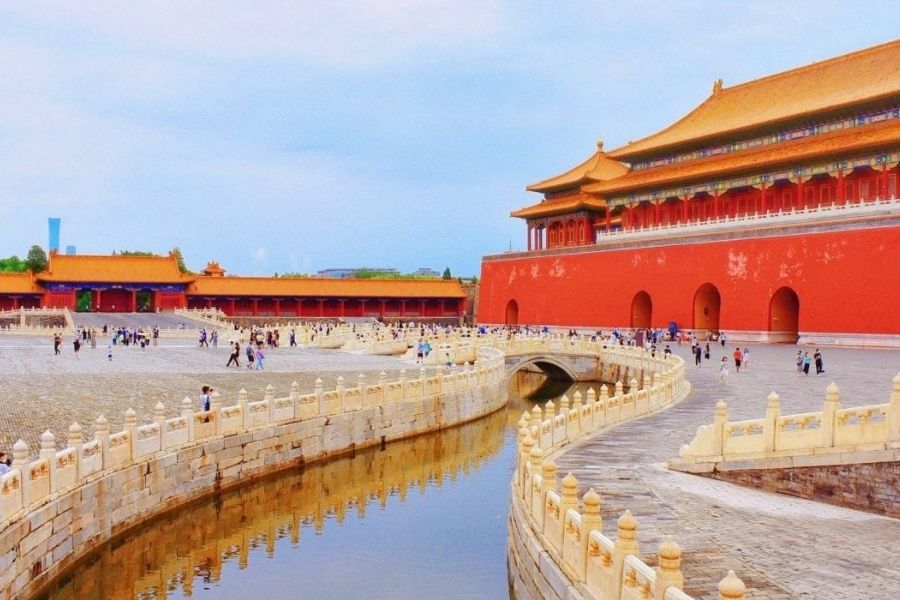 The Great Wall symbolizes human determination and strategic brilliance, while the Forbidden City showcases the grandeur and authority of imperial China. Together, they tell powerful stories of dynasties, legends, and centuries of history.
Highlights
- Great Wall: world’s longest man-made structure
- Forbidden City: largest imperial palace complex in the world
- Powerful symbols of imperial China
- Rich legends, dynastic history, and architectural scale
- UNESCO icons often visited together in Beijing
Quick Notes:
- Tickets often require advance booking
- Wear comfortable shoes as lots of walking included
- Popular sites can be crowded during holidays
General Information:
- Location: Beijing, China (Great Wall sections extend beyond the city)
- Entrance Fee:
- Forbidden City: approx. USD 9 - 12
- Great Wall: approx. USD 6 - 10 (depending on section)
6. Historic Villages of Shirakawa-go and Gokayama (Japan)
These traditional villages are famous for their steep thatched-roof houses built in the gassho-zukuri style, designed to withstand heavy snowfall. They exemplify sustainable architecture and community life shaped by nature.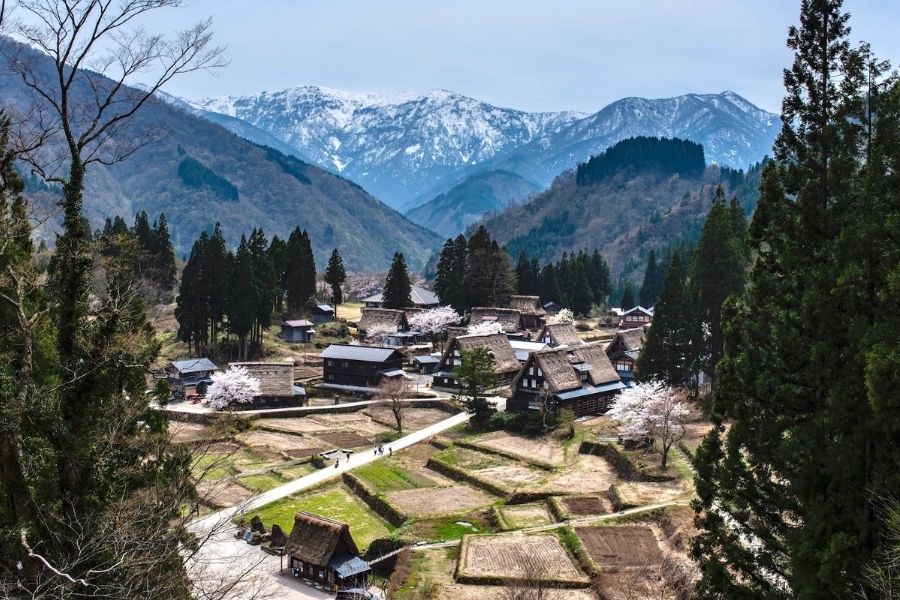
Highlights
- Traditional gassho-zukuri thatched-roof houses
- Architecture designed for heavy snowfall
- Living rural heritage villages
- Beautiful seasonal scenery (especially winter)
- UNESCO example of sustainable traditional living
Quick Notes:
- Winter offers dramatic scenery but limited access
- Respect private homes and local residents
- Easily visited as a day trip with guided tours
General Information
- Location: Gifu & Toyama Prefectures, Japan
- Entrance Fee: Free to enter villages; some houses ~USD 2 - 3
7. Gyeongju Historic Areas (South Korea)
Often referred to as a “Museum Without Walls”, Gyeongju is one of South Korea’s most historically significant cities. It preserves an extraordinary collection of royal tombs, Buddhist temples, stone pagodas, and ancient ruins from the Silla Dynasty, allowing visitors to experience Korea’s early history in an open-air setting.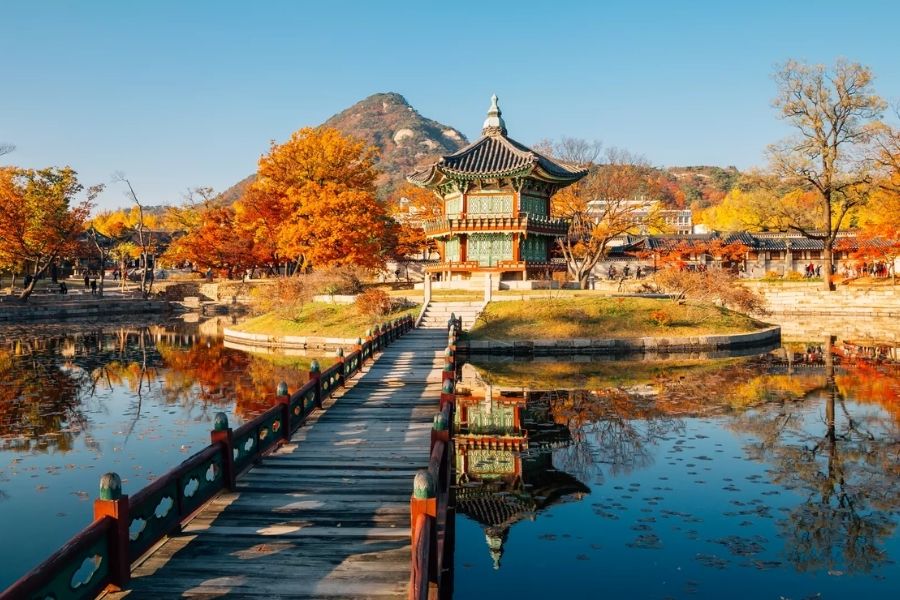
Highlights:
- Former capital of the Silla Dynasty
- Royal tombs, Buddhist temples, and stone pagodas
- Bulguksa Temple and Seokguram Grotto highlights
- Nicknamed “Museum Without Walls”
- Strong connection to early Korean identity
Quick Notes:
- Sites are spread out—transport or guided tours help
- Spring and autumn are ideal seasons
- Combination of indoor and outdoor attractions
General Information
- Location: Gyeongju, North Gyeongsang Province, South Korea
- Entrance Fee: Approx. USD 3 - 6 per site
8. Taj Mahal (India)
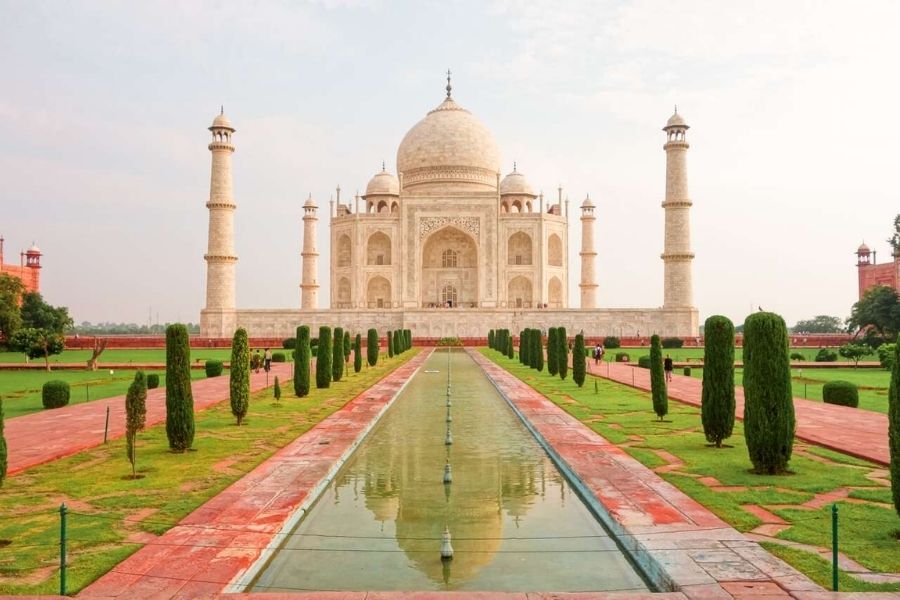 The Taj Mahal is an enduring symbol of love and one of the world’s most admired architectural masterpieces. Built from white marble, its perfect symmetry and delicate detailing continue to captivate visitors from around the globe.
Highlights
- Iconic white-marble mausoleum
- Symbol of eternal love
- Perfect symmetry and refined Mughal architecture
- Intricate inlay and calligraphy work
- UNESCO and global architectural icon
Quick Notes:
- Closed on Fridays
- Early morning visits offer softer light and fewer crowds
- Shoe covers required inside the mausoleum
General Information
- Location: Agra, Uttar Pradesh, India
- Entrance Fee: Approx. USD 15 - 20 (foreign visitors)
9. Kathmandu Valley (Nepal)
Kathmandu Valley is the cultural heart of Nepal, home to ancient temples, historic squares, and living traditions that remain deeply embedded in daily life. Festivals, rituals, and craftsmanship bring its heritage vividly to life.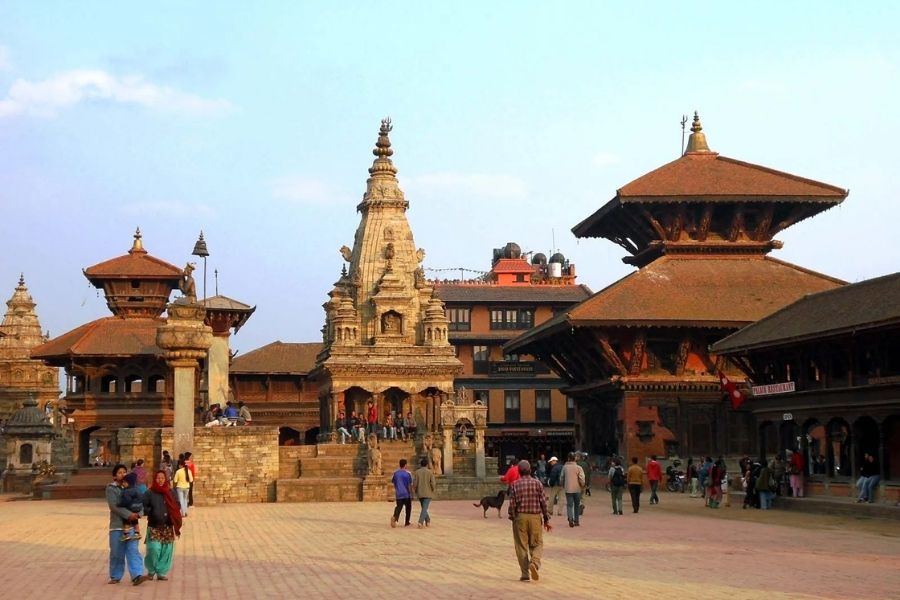
Highlights
- Seven UNESCO monument zones
- Ancient Hindu and Buddhist temples
- Living traditions and daily rituals
- Historic Durbar Squares
- Rich craftsmanship and festivals
Quick Notes:
- Respect religious practices and photography rules
- Easy to combine multiple sites in one day
- Local guides greatly enhance understanding
General Information
- Location: Kathmandu, Lalitpur & Bhaktapur, Nepal
- Entrance Fee: Approx. USD 10–15 per monument zone
10. Sigiriya (Sri Lanka)
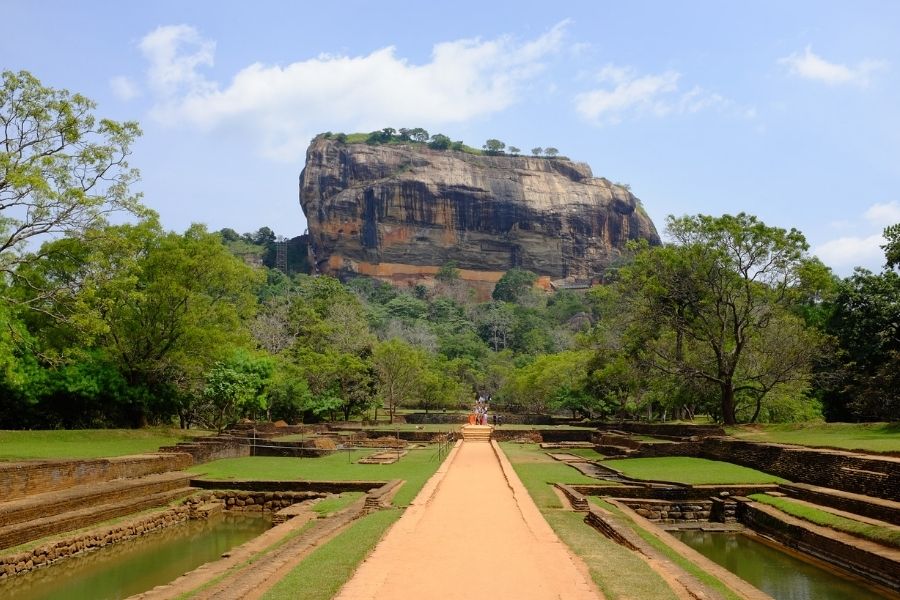 Sigiriya, known as Lion Rock, rises dramatically above the surrounding plains. This ancient rock fortress features remarkable frescoes, landscaped gardens, and engineering achievements that continue to intrigue historians and travelers alike.
Highlights
- Dramatic rock fortress rising from the plains
- Ancient frescoes and mirror wall
- Advanced water garden engineering
- Panoramic views from the summit
- One of South Asia’s most unique heritage sites
Quick Notes:
- Requires moderate physical fitness (steep climb)
- Visit early morning to avoid heat
- Combine with nearby Dambulla Cave Temple
General Information
- Location: Central Sri Lanka, near Dambulla
- Entrance Fee: Approx. USD 30 (foreign visitors)
Asia’s UNESCO Heritage Trail is more than a journey, it’s a celebration of the continent’s past and present. Each site tells a story, connects you to diverse cultures, and invites you to be a part of global heritage preservation. Start planning your adventure today, and let the wonders of Asia inspire your own timeless memories.

